

 English
  Español
  Deutsch
Content
What Are Metallographic Consumables
Metallographic consumables are the abrasives, polishing compounds, pads, and cloths used up during sample grinding and polishing to prepare a metal or alloy surface for microscopic examination. Unlike the grinder-polisher machine itself, which is a durable capital purchase, consumables get used up with every sample and need continuous restocking — grinding papers wear down, polishing cloths lose their nap, and diamond suspensions get depleted with use.
The category spans a wide range of materials and grit sizes, because different metals and alloys respond very differently to abrasion. A soft aluminum sample and a hardened tool steel sample need entirely different grinding sequences, and using the wrong consumable can introduce scratches, smearing, or deformation that hides the microstructure a metallurgist is actually trying to observe.
Labs running high sample volumes — quality control departments in foundries, forging plants, and heat-treat facilities, for example — often treat consumable cost per sample as a real line item, since grinding papers and polishing cloths represent a recurring operating expense that scales directly with throughput, unlike the one-time cost of the polishing equipment.
The Metallographic Sample Preparation Process
Sample preparation for metallography follows a fairly consistent sequence across labs, even though the specific abrasives and durations change depending on the material being examined:
- Sectioning — the sample is cut from a larger part using an abrasive or precision saw, ideally without introducing heat damage that alters the microstructure near the cut edge.
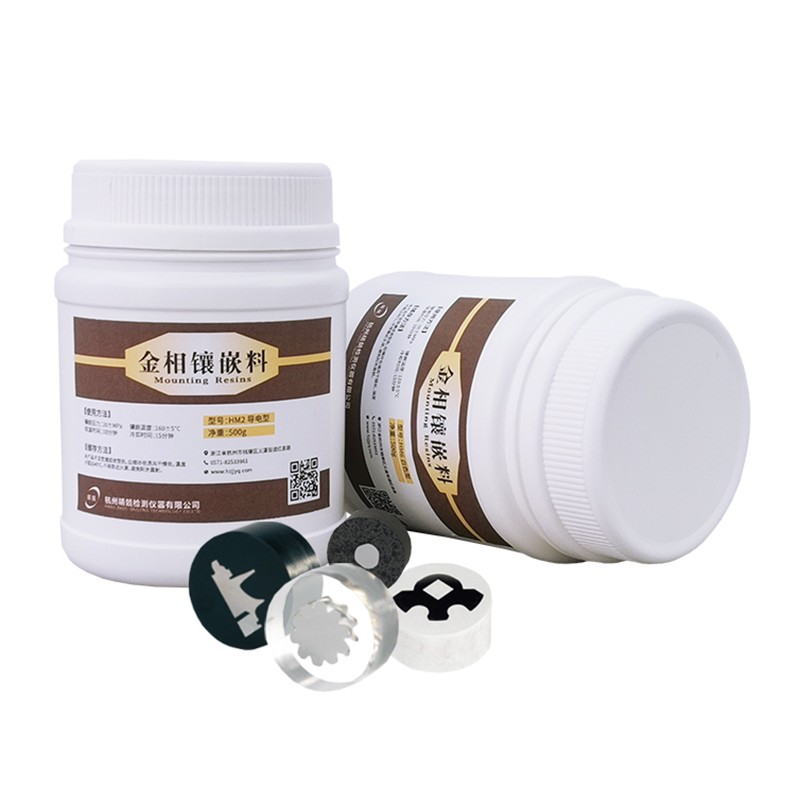
- Mounting — smaller or irregularly shaped samples are embedded in resin so they can be handled safely and held flat during grinding.
- Coarse grinding — the mounted sample is ground through progressively finer abrasive grits, typically starting around 120–240 grit and stepping down to remove sectioning damage and flatten the surface.
- Fine grinding — finer grit papers or diamond discs (usually in the 600–1200 grit range) remove the scratch pattern left by coarse grinding, progressively reducing scratch depth.
- Rough polishing — diamond suspensions or compounds, typically 6μm or 3μm, are applied on a napped cloth to remove remaining fine scratches and start developing a reflective surface.
- Final polishing — a 1μm diamond step followed by a colloidal silica or fine alumina polish produces a scratch-free, mirror-like surface suitable for etching and microscopic examination.
Skipping steps or jumping grit sizes too aggressively is one of the most common causes of poor results — each step needs to fully remove the scratch depth left by the previous one, or residual damage carries through to the final polished surface and shows up as artifacts under the microscope.
Grinding Abrasives: Silicon Carbide vs. Aluminum Oxide
The two most common grinding abrasive materials in metallography are silicon carbide and aluminum oxide, and the choice between them affects both cutting speed and cost per sample:
| Abrasive | Hardness | Best Suited For |
|---|---|---|
| Silicon carbide abrasive for metallography | ~9.5 Mohs, self-sharpening | Fast, economical grinding of ferrous and non-ferrous metals; wears quickly but stays sharp as it fractures |
| Aluminum oxide abrasive for metallography | ~9 Mohs, more durable grain | Longer-lasting paper life on softer metals; often preferred where cost-per-sample from paper changes matters more than raw cutting speed |
Silicon carbide's self-sharpening property comes from how the grains fracture under load — as the outer edge of a grain dulls, it breaks away to expose a fresh sharp edge underneath, which keeps cutting rates relatively consistent through the paper's usable life. This is part of why silicon carbide remains the default grinding abrasive across most general-purpose metallographic sample preparation consumables, even though aluminum oxide papers can outlast it in total sample count for certain softer alloys.
Diamond Polishing Compounds and Diamond Slurry
Once grinding is complete, polishing consumables take over — and diamond is the dominant abrasive at this stage because of its hardness advantage over virtually every metal and alloy being examined. Diamond polishing compounds for metallography come in paste, spray, and suspension formats, each suited to slightly different workflows:
- Diamond paste — applied directly and manually to a polishing cloth, offering precise control over how much abrasive is used per sample, common in lower-volume or manual polishing setups.
- Diamond spray — a suspension in an aerosol format that's quick to apply evenly across a cloth, popular for its convenience in higher-throughput labs.
- Diamond slurry — typically fed through an automated dosing pump on polishing machines, allowing continuous, metered abrasive delivery during automated or semi-automated polishing cycles without operator intervention between samples.
Diamond slurry for metallographic polishing is generally the preferred format for labs running automated polishing heads across multiple samples per batch, since consistent, controlled dosing reduces variability between samples compared to manually applying paste between each one. Slurry concentration and particle size distribution both affect polishing rate and final surface finish, so most suppliers offer the same grit size in multiple concentration levels to match different machine dosing systems.
Choosing Polishing Pads and Cloths
The polishing cloth or pad underneath the abrasive matters just as much as the abrasive itself, because nap height and material determine how much relief (rounding at grain boundaries and inclusions) develops during polishing. Metallographic polishing pads generally fall into three broad categories:
- Low-nap or napless pads — minimal relief, used for hard materials or final steps where flatness matters more than aggressive material removal.
- Medium-nap woven cloths — a balance of cutting rate and surface flatness, commonly used for intermediate diamond polishing steps.
- High-nap synthetic cloths — used mainly for final colloidal silica polishing on soft or multiphase materials, where some controlled relief actually helps reveal microstructural features.
Pad selection interacts directly with abrasive choice — a high-nap cloth loaded with coarse diamond can cause excessive relief and edge rounding that distorts measurements like coating thickness or case depth, so labs doing precision measurement work generally pair finer abrasives with lower-nap pads specifically to keep the surface as flat as possible.
A Practical Metallographic Consumables Selection Guide
With this many variables — abrasive type, grit progression, compound format, and pad nap — building a consistent consumables list mostly comes down to matching the sequence to material hardness and sample volume:
- Soft, ductile metals (aluminum, copper, brass) — benefit from finer initial grit steps and lower-pressure polishing to avoid smearing; aluminum oxide papers and lower-nap cloths help minimize embedded abrasive and relief.
- Hardened steels and tool steels — tolerate more aggressive silicon carbide grinding steps and higher diamond concentrations without excessive wear, since the material itself resists gouging.
- High sample-volume labs — automated diamond slurry dosing and standardized cloth replacement schedules reduce per-sample labor time and keep results consistent across operators and shifts.
- Low-volume or R&D labs — manual diamond paste application and a smaller stocked inventory of grit steps often make more sense than investing in automated dosing systems that won't get used enough to justify the cost.
Cost per sample is worth tracking over time rather than assuming the cheapest consumable line item is the most economical choice — a lower-cost abrasive that wears out faster or requires more polishing steps to reach an acceptable finish can end up costing more per sample once labor time and rework from poor results are factored in.

