

 English
  Español
  Deutsch
Content
Understanding What Polishing Paste Liquids Are
How Polishing Paste Liquids Work
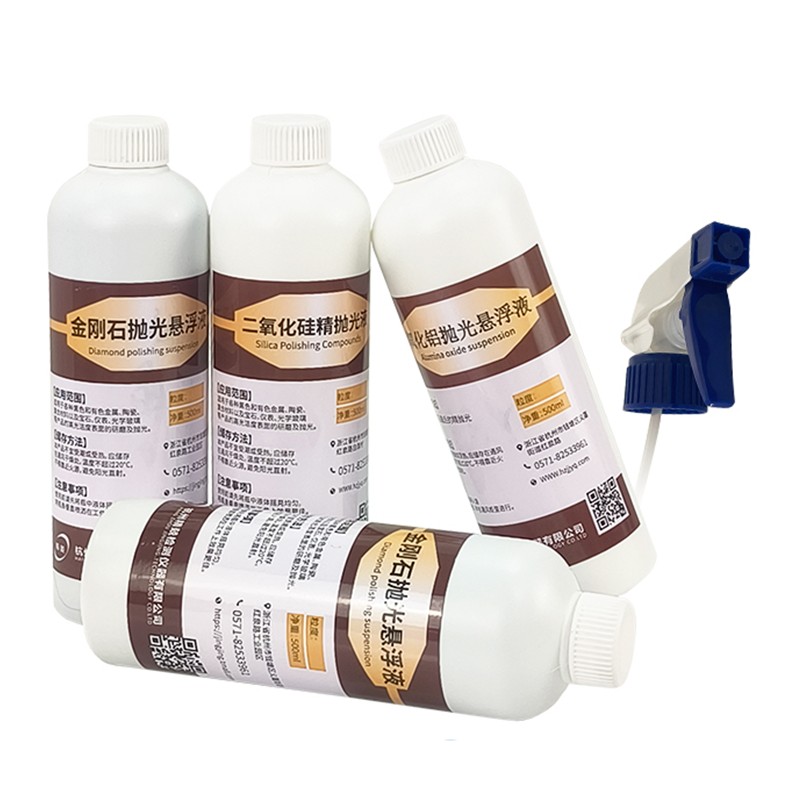
Polishing Paste Liquids are specialized surface-finishing compounds designed to remove imperfections, refine textures, and create a smooth, high-gloss finish on a wide range of materials. Their formulation integrates fine abrasives, lubricants, and carrier solutions that work together to enhance polishing efficiency while reducing surface damage. Unlike solid compounds, liquids offer consistent distribution, easier handling, and more uniform polishing performance. They are used in metal finishing, automotive detailing, manufacturing, and precision engineering. As the abrasives gradually break down during the process, fine abrasive polishing liquid compounds help achieve progressively finer results, moving from rough correction to mirror-level clarity. Because they are adaptable to manual and machine operations, these liquids are ideal for technicians seeking both versatility and professional outcomes. For demanding applications such as optical tooling, metal restoration, or high-gloss finishing, they provide unmatched control and consistency. Many users also prefer water-based polishing paste liquids due to their cleaner operation and reduced residue. Overall, these materials play a critical role in modern surface-finishing workflows.
- Enhances surface clarity through controlled abrasive breakdown
- Works for metals, plastics, composites, and coated materials
- Suitable for industrial, automotive, and manufacturing applications
Common Applications Across Industries
The use of Polishing Paste Liquids extends across multiple industries because of their ability to produce consistent and high-precision finishing results. In the metalworking field, they help restore stainless steel, aluminum, and brass components to their original shine. For automotive detailing specialists, automotive detailing polishing paste liquid formulas are favored for correcting swirls, oxidation, and haze while enhancing the final gloss. In manufacturing environments, technicians rely on fine abrasive polishing liquid compounds to refine precision components, molds, and tools requiring strict tolerances. Water-based formulas are popular in clean manufacturing lines where minimal residue and easy cleanup are essential. High-gloss finishing formulations are often used in furniture hardware, jewelry making, and optical polishing where clarity and smoothness directly affect product quality. Across all these sectors, polishing liquids streamline workflow efficiency while reducing the need for multiple abrasive steps.
- Used in automotive paint correction and detailing
- Ideal for tool and die manufacturing requiring micro-precision
- Supports restoration of metals, plastics, and alloy components
Key Types of Polishing Paste Liquids
Water-Based Polishing Paste Liquids
Water-based polishing paste liquids are engineered for cleaner performance, reduced residue, and environmentally friendly operation. They eliminate the need for solvent-heavy formulations, making them suitable for workplaces that emphasize safety and low emissions. Their water-soluble carriers allow faster cleanup, minimal odor, and improved compatibility with automated polishing machines. These liquids often include advanced micro-abrasives that break down uniformly, producing refined, high-quality finishes on metals, plastics, and coated surfaces. Because they do not leave greasy films, technicians appreciate the improved visibility during polishing, ensuring more accurate results. Additionally, these formulas reduce the risk of overheating by providing smooth lubrication throughout the process. They are widely adopted in precision manufacturing, optical tooling, and general-purpose finishing where productivity and cleanliness matter.
- Low VOC and reduced environmental impact
- Easy cleanup with fewer residues
- Suitable for high-volume production lines
| Carrier Type | Water-Based |
| Residue Level | Minimal |
| Ideal Use | Clean manufacturing and precision work |
Fine Abrasive Polishing Liquid Compounds
Fine abrasive polishing liquid compounds are designed to refine surfaces at micro levels, removing haze, micro-scratches, and swirl marks with controlled precision. Unlike rougher abrasive pastes, these compounds use ultra-fine particles that gradually diminish in size during use, allowing for a smooth transition from cutting to finishing. This makes them excellent for applications requiring clarity and uniformity. Their balanced abrasive action provides a safer alternative for delicate surfaces like coated metals, instrument panels, or precision molds. They also enhance gloss levels when used as a finishing step after heavy correction stages. Their fluid consistency ensures even coverage, helping technicians maintain uniform pressure during polishing operations. These properties make them essential for industries demanding both quality and consistency.
- Ideal for micro-scratch removal
- Provides controlled, progressive abrasion
- Enhances clarity and final gloss
| Abrasive Level | Ultra-Fine |
| Surface Type | Metal, plastic, coated parts |
| Primary Use | Final finishing and gloss enhancement |
High Gloss Finishing Polishing Liquids
High gloss finishing polishing liquids focus on achieving a reflective, mirror-like finish on a wide range of materials. These formulations are specifically engineered to enhance the depth, clarity, and brilliance of surfaces after initial correction. They contain micro-refining abrasives along with lubricating agents that reduce friction and improve finishing consistency. When technicians aim for a flawless high-gloss result, especially in decorative hardware, automotive panels, or consumer electronics casings, these finishing liquids provide the necessary refinement. The formulation ensures minimal hazing, high clarity, and excellent reflectivity, making them ideal as the final step in multi-stage polishing processes. Their smooth handling characteristics support extended polishing sessions without clogging or drying prematurely.
- Delivers mirror-like surface clarity
- Reduces micro-surface haze
- Ideal as a final polishing step
| Finish Level | Ultra-High Gloss |
| Application | Decorative and precision surfaces |
| Compatibility | Metal, resin, painted surfaces |
Choosing the Right Polishing Paste Liquid for Your Needs
For Metal Surface Restoration
Metal components exposed to oxidation, scratches, and wear require effective restoration, and metal surface restoration polishing paste liquids play a vital role in returning such surfaces to their original condition. These liquids incorporate balanced abrasives capable of removing corrosion while refining texture without overcutting. When restoring items like stainless steel fixtures, aluminum parts, or decorative metal components, users need products offering precision control. The right polishing liquid will help eliminate tarnish, restore reflectivity, and improve uniformity. Water-based formulas are particularly helpful because they make residue removal easier after polishing operations. Whether restoring industrial parts or decorative objects, these liquids ensure consistent restoration quality.
- Restores clarity by removing oxidation
- Suitable for steel, brass, aluminum, and alloys
- Ideal for both industrial and aesthetic restoration
| Restoration Level | Medium to High |
| Surface Type | Metals and alloys |
| Recommended Formula | Balanced abrasive liquids |
For Automotive Detailing
For vehicle owners and detailing professionals, automotive detailing polishing paste liquid solutions provide corrective and finishing benefits tailored for automotive paint systems. These formulas are designed to eliminate swirl marks, oxidation, and wash-induced scratches while enhancing gloss and depth in the paint. Their lubricated composition ensures safe polishing without causing additional micro-abrasion. The combination of fine abrasives and smooth carriers helps produce show-quality finishes with excellent clarity. They can be used with both rotary and dual-action polishing machines, offering flexibility for beginners and professionals. High gloss finishing liquids are often paired as final steps to bring out maximum shine and vivid reflections on automotive panels.
- Corrects swirls and oxidation effectively
- Safe for clear coat paint systems
- Enhances gloss and depth
| Paint Compatibility | Clear coats & OEM finishes |
| Gloss Level | High to Ultra-High |
| Usage Method | Machine or manual polishing |
For Precision Tool Finishing
Precision tools, molds, and machined components require finishing solutions that achieve extremely smooth surfaces while maintaining dimensional accuracy. Polishing Paste Liquids are commonly used in this field because their fine abrasives enable accurate material removal without compromising part geometry. In tooling applications, clean and consistent polishing directly affects product performance and lifespan. Water-based formulas offer added advantages because they reduce contamination and are easier to incorporate into controlled environments. They are suitable for applications in die finishing, mold preparation, and optical component refinement where clarity and uniformity are essential. Consistent lubrication from polishing liquids also prevents overheating, ensuring stable results across extended polishing sessions.
- Supports high-precision polishing environments
- Minimizes geometric distortion
- Safe for delicate or high-value components
| Precision Level | High |
| Material Compatibility | Tool steel, molds, optics |
| Environment | Clean or controlled finish areas |
Step-by-Step Guide to Using Polishing Paste Liquids
Surface Preparation
Proper preparation is essential for achieving the best results with Polishing Paste Liquids. The surface must be cleaned thoroughly to remove dirt, oils, or oxidation that might interfere with polishing performance. For metals, initial sanding may be required to eliminate deeper imperfections. In automotive detailing, washing and decontamination ensure that the polishing liquid interacts directly with the paint without obstruction. Surface dryness also matters because excess moisture can dilute certain formulas. Choosing the right preparation process allows polishing liquids to function optimally, whether the goal is high gloss finishing, defect removal, or restoration. Thorough preparation ensures uniform results and reduces the risk of uneven polishing marks.
- Clean surface to remove contaminants
- Dry thoroughly before application
- Perform initial sanding for deeper scratches
| Step | Surface Cleaning |
| Requirement | Oil-free and debris-free |
| Importance | Ensures uniform polishing |
Application Technique
Applying Polishing Paste Liquids correctly determines the final outcome. Begin by applying a small amount of liquid to a polishing pad or cloth. Spread the product evenly before activating the polishing motion to avoid excessive heat or friction. For machine polishing, maintain consistent pressure and speed, ensuring that the abrasive particles break down naturally as intended. When using specialized products like fine abrasive polishing liquid compounds, longer working time typically results in better refinement. For automotive detailing or high-gloss finishing, a stepwise approach is recommended, progressing from correction to finishing stages. Uniform, overlapping motions prevent streaking and produce balanced results across large surfaces.
- Apply small, controlled amounts
- Use overlapping motions for consistency
- Allow abrasives to break down fully
| Motion | Overlapping & consistent |
| Pressure | Medium & controlled |
| Goal | Even material refinement |
Safety and Maintenance Tips
Using Polishing Paste Liquids safely ensures both user protection and product performance. Proper ventilation is recommended when working with non-water-based formulas, although water-based polishing paste liquids reduce concerns associated with strong odors or residue. Gloves are advisable to protect hands from prolonged exposure. After polishing, clean surfaces thoroughly to prevent abrasive residue buildup. When used on machinery, pads and accessories should be washed regularly to maintain polishing efficiency. Storing liquids in a cool environment helps preserve their consistency and prevents premature thickening. These safety and maintenance steps enhance performance during each polishing session while prolonging the product’s usability.
- Use gloves and maintain ventilation
- Clean pads and tools after each use
- Store polishing liquids properly
| Safety Gear | Gloves & ventilation |
| Post-Use Care | Clean tools thoroughly |
| Storage | Cool, dry environment |
Comparing Polishing Paste Liquids with Other Finishing Solutions
Paste vs Liquid Compounds
When choosing between traditional polishing pastes and Polishing Paste Liquids, several performance differences become apparent. Solid pastes often deliver strong cutting power but may be harder to spread uniformly. Liquids, by contrast, offer better control, smoother application, and more consistent polishing across surfaces. They also reduce the risk of over-application and overheating. For industries requiring precision, such as tool and mold finishing, liquids are preferred because their fluid composition ensures even abrasive distribution. Additionally, formulas such as high gloss finishing polishing liquids provide enhanced refinement capabilities that are not always available in solid pastes. These distinctions help users choose the most appropriate product for their goals.
- Liquids offer smoother, more even application
- Pastes may provide stronger initial cutting
- Liquids reduce risk of over-polishing
| Form | Paste or Liquid |
| Control | Higher with liquids |
| Best Use | Precision finishing |
Abrasive vs Non-Abrasive Solutions
Choosing between abrasive and non-abrasive finishing products depends on surface condition and expected results. Abrasive formulas such as fine abrasive polishing liquid compounds remove imperfections, making them ideal for correction and restoration. Non-abrasive products are suitable for maintenance polishing or enhancing gloss on already refined surfaces. In automotive detailing, a combination approach is common—abrasive liquids for defect removal followed by non-abrasive finishing for improved clarity. In industrial precision environments, selecting the correct abrasiveness ensures that tolerances remain intact while achieving the required finish. Matching product type to the surface condition results in more predictable and professional outcomes.
- Abrasive liquids correct scratches and defects
- Non-abrasive products enhance shine only
- Correct selection improves overall finish quality
| Type | Abrasive / Non-Abrasive |
| Function | Correction vs Enhancement |
| Surface Condition | Damaged vs Pre-polished |
FAQ
Are Polishing Paste Liquids safe for all surface types?
Yes, most Polishing Paste Liquids are designed to be versatile and safe for metals, plastics, painted surfaces, and composites. However, the abrasiveness level should match the sensitivity of the material. Products like fine abrasive polishing liquid compounds are preferred for delicate or high-value components requiring controlled refinement.
Do water-based polishing paste liquids perform as well as solvent formulas?
Water-based polishing paste liquids perform exceptionally well and often exceed solvent-based formulas in ease of use, cleanliness, and residue control. They are favored in clean manufacturing and precision finishing environments where contamination must be minimized.
Can polishing liquids remove deep scratches?
Polishing liquids can remove moderate scratches, haze, and oxidation, but deep scratches may require sanding before applying Polishing Paste Liquids. Using them after sanding ensures a refined, glossy finish.
What is the best polishing liquid for automotive detailing?
For automotive paint systems, automotive detailing polishing paste liquid products are ideal because they offer balanced correction and finishing performance without damaging clear coats. Pairing them with high gloss finishing liquids often yields superior results.
How often should surfaces be polished?
Polishing frequency depends on surface material, usage conditions, and desired appearance. Automotive surfaces may require polishing every few months, while industrial tools may need periodic refining using Polishing Paste Liquids to maintain precision and performance.

