

 English
  Español
  Deutsch
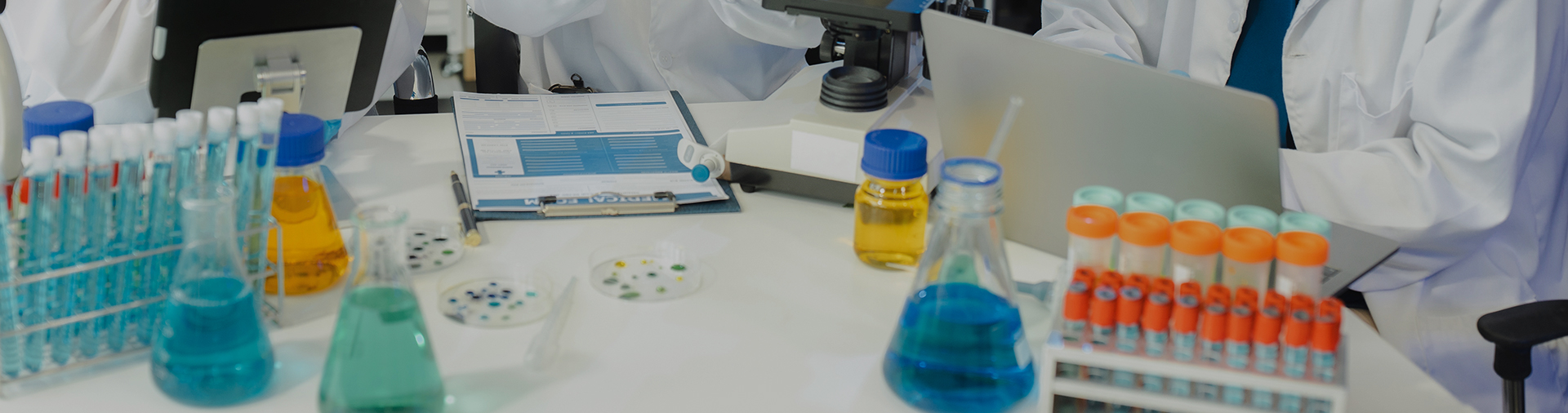
In the world of materials science and quality control, precise measurement is paramount. The digital microhardness tester stands as a critical instrument for evaluating the hardness of materials at a microscopic scale. Unlike traditional methods, digital systems offer enhanced accuracy, repeatability, and data management capabilities, making them indispensable in R&D and industrial labs. This comprehensive guide delves into the technology, key applications, and essential factors for selecting the right instrument for your needs.
Content
- 1 Understanding Digital Microhardness Testing Technology
- 2 Key Applications Across Industries
- 3 Critical Factors for Selecting a Digital Microhardness Tester
- 4 Why Choose Hangzhou Jingjing Testing Instrument Co., Ltd.?
- 5 Frequently Asked Questions (FAQ)
- 5.1 1. What is the main advantage of a digital microhardness tester over a manual one?
- 5.2 2. How often should I calibrate my digital microhardness tester?
- 5.3 3. Can I use a digital microhardness tester for very soft materials like polymers?
- 5.4 4. What does an automatic turret do, and is it worth the investment?
- 5.5 5. How do I choose between Vickers and Knoop testing methods?
- 6
- 7 References
Understanding Digital Microhardness Testing Technology
Digital microhardness testing is an advanced method for determining a material's resistance to plastic deformation. It typically uses either a Vickers or Knoop diamond indenter to apply a precise, low-force load to a sample's surface. The resulting indentation is then measured via a high-resolution optical system, and a digital processor calculates the hardness value automatically.
Core Components of a Modern Tester
- Digital Indentation System: Precisely controls the application and removal of the test force.
- High-Magnification Microscope & Camera: Captures clear images of the indentation for analysis.
- Integrated Software: Automates measurement, calculates hardness values (HV, HK), and manages data.
- Motorized XY Stage: Enables precise positioning and automated testing at multiple points.
- Digital Load Cell: Ensures accurate and consistent application of the test force.
Advantages Over Analog Systems
The shift from analog to digital brings significant improvements in testing workflow and data integrity.
| Feature | Analog Microhardness Tester | Digital Microhardness Tester |
|---|---|---|
| Measurement | Manual via eyepiece micrometer, prone to operator error. | Automatic via image analysis software, eliminating human bias. |
| Data Recording | Manual logbooks, risk of transcription errors. | Direct digital storage with test reports and image archiving. |
| Repeatability | Lower, heavily dependent on operator skill. | High, as the process is automated and standardized. |
| Advanced Analysis | Limited to basic hardness values. | Enables statistical analysis, hardness mapping, and case depth determination. |
Key Applications Across Industries
The precision of digital microhardness testers unlocks a wide array of applications where small-scale material properties are critical.
Metallurgy and Heat Treatment
- Evaluating the effectiveness of surface treatments like carburizing and nitriding.
- Measuring case depth with precision.
- Analyzing weld zones and Heat-Affected Zones (HAZ) for quality assurance.
Thin Films and Coatings
- Testing the adhesion and durability of PVD, CVD, and paint coatings.
- Ensuring coating integrity without damaging the substrate.
Small Components and Electronic Parts
- Testing micro-sized parts such as watch gears, medical device components, and semiconductor leads.
- Verifying the hardness of solder joints and conductive paths.
For instance, the need for how to measure hardness of thin coatings is perfectly addressed by a digital microhardness tester using ultra-low forces, preventing penetration through to the base material[1].
Critical Factors for Selecting a Digital Microhardness Tester
Choosing the right instrument involves more than just specifications. It requires aligning technical capabilities with your application needs and future goals.
Technical Specifications to Scrutinize
Load Range and Resolution
- Determine the minimum and maximum forces needed for your samples (e.g., 10gf to 2kgf).
- Higher load resolution ensures better control at very low forces for delicate materials.
Optical System and Camera
- Look for high-resolution cameras and high-quality objectives for clear indentation imaging.
- Motorized zoom and autofocus enhance measurement speed and consistency.
Software Capabilities
- The software should offer intuitive measurement, detailed reporting, and data export functions.
- Advanced features like live video measurement and hardness mapping are significant productivity boosters.
Operational and Support Considerations
Beyond the hardware, the ease of use and long-term support are vital for a successful investment. For example, knowing how to calibrate a digital microhardness tester is important, but having access to reliable calibration services and clear procedures is even more critical for maintaining laboratory standards.
| Consideration | Basic Requirement | Optimal/Advanced Advantage |
|---|---|---|
| Ease of Use | Manual stage, basic software. | Motorized stage, one-click automated testing sequences. |
| Calibration & Compliance | Meets basic industry standards (e.g., ASTM E384). | Full traceability to national standards, easy-to-perform verification routines. |
| After-Sales Support | Standard warranty. | Comprehensive training, local technical support, and readily available spare parts. |
Understanding the digital microhardness tester price range and features across different tiers helps in making a cost-effective decision that doesn't compromise on essential capabilities.
Why Choose Hangzhou Jingjing Testing Instrument Co., Ltd.?
Selecting a supplier is as important as selecting the instrument itself. Hangzhou Jingjing Testing Instrument Co., Ltd. stands out as a partner dedicated to quality and customer success in the field of testing instrumentation.
Expertise and Comprehensive Solutions
- Our team includes highly-regarded engineers with deep experience in hardness testing technology and collaborations with leading manufacturers.
- We offer a vast portfolio of over a thousand products, providing integrated solutions for quality management and certification needs.
Unwavering Commitment to Value and Service
- We uphold the principle of "Better price for equal quality; better service for equal price," ensuring high cost-effectiveness.
- Our extensive distributor network across major Chinese industrial regions guarantees comprehensive after-sales support, including technical consulting, training, and maintenance.
A Partner for Sustainable Development
- Guided by a philosophy of "Sustainable Development," we focus on building long-term relationships.
- We serve as an authorized agent for renowned brands, coupled with our own quality products, offering customers a wide and reliable choice.
For applications requiring the differentiation between Vickers vs Knoop microhardness testing digital, our technical experts can provide precise guidance to determine the most suitable method for your material's characteristics[2].
Frequently Asked Questions (FAQ)
1. What is the main advantage of a digital microhardness tester over a manual one?
The primary advantage is the elimination of operator subjectivity in measuring the indentation. Digital systems use software to automatically detect and measure the indentation diagonals, leading to superior accuracy, repeatability, and direct digital data recording.
2. How often should I calibrate my digital microhardness tester?
Calibration frequency depends on usage, industry standards, and internal quality procedures. Typically, an annual calibration by an accredited lab is recommended. However, regular weekly or monthly verification using standardized test blocks is crucial for ongoing assurance of accuracy.
3. Can I use a digital microhardness tester for very soft materials like polymers?
Yes, but with careful consideration. You must use a sufficiently low force (often at the lower end of the tester's range, like 10gf or 25gf) and a Knoop indenter is often preferred for soft materials due to its elongated shape, which can provide a more stable measurement. The material's tendency to creep must also be accounted for in the test cycle.
4. What does an automatic turret do, and is it worth the investment?
An automatic turret houses multiple objectives and the indenter, rotating them into position via software control. The benefits of automatic turret in microhardness testing are significant: it dramatically speeds up testing by eliminating manual switching, reduces the risk of human error or damage to components, and is essential for fully automated, unattended testing sequences.
5. How do I choose between Vickers and Knoop testing methods?
The choice between Vickers vs Knoop microhardness testing digital hinges on your material. Use Vickers for a wide range of materials, especially when measuring bulk hardness or harder phases. Choose Knoop for very brittle materials, thin coatings, or soft materials, as its shallower, elongated indentation is less likely to crack or deform the sample excessively[2].
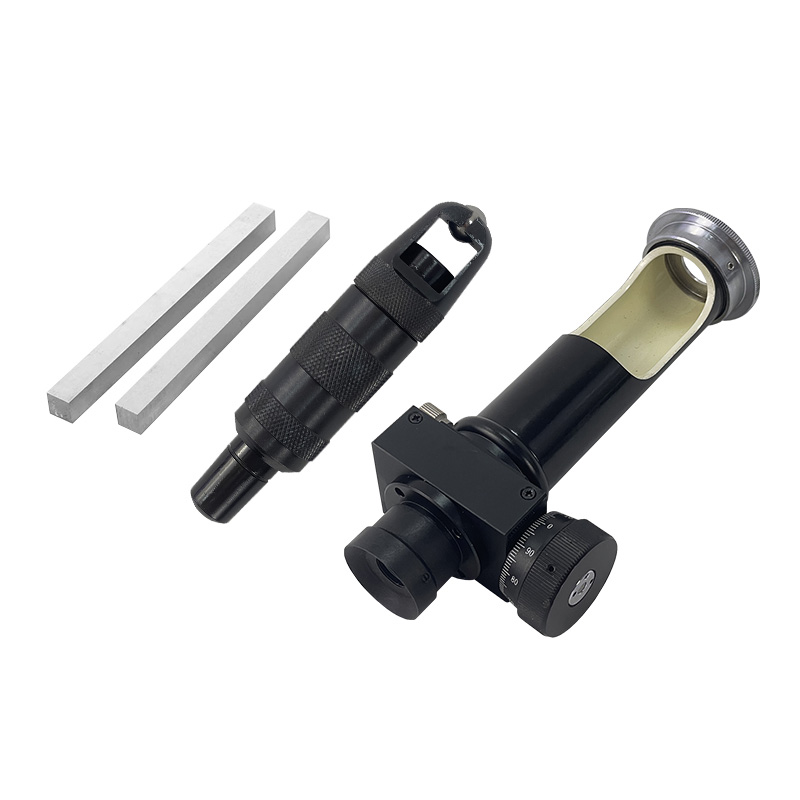
Investing in a digital microhardness tester is a strategic decision that enhances laboratory capability, data reliability, and operational efficiency. By understanding the technology, clearly defining your application needs—such as how to measure hardness of thin coatings—and evaluating key factors from load range to after-sales support, you can select the ideal instrument. Partnering with an experienced and service-oriented company like Hangzhou Jingjing Testing Instrument Co., Ltd. ensures not only access to high-quality equipment but also the technical expertise and support necessary for long-term success in your material analysis endeavors.
References
[1] Smith, J. A., & Johnson, L. B. (2020). *Advanced Techniques for Coating Adhesion and Hardness Assessment*. Journal of Materials Engineering, 45(3), 112-125.
[2] International ASTM Standard E384. (2022). *Standard Test Method for Microindentation Hardness of Materials*. ASTM International.

