How to Choose the Right Portable Hardness Tester for Different Metal Materials
Choosing the right portable hardness tester is crucial for ensuring accurate material testing and reliable quality control in industrial applications. As metal materials vary in structure, density, and hardness, selecting a tester that matches these characteristics can significantly improve testing accuracy and efficiency. Hangzhou Jingjing Testing Instrument Co., Ltd. provides comprehensive solutions in hardness testing, combining technical expertise, high-quality products, and extensive after-sales support to help clients achieve precise and consistent results.
Understanding the Function of Portable Hardness Testers
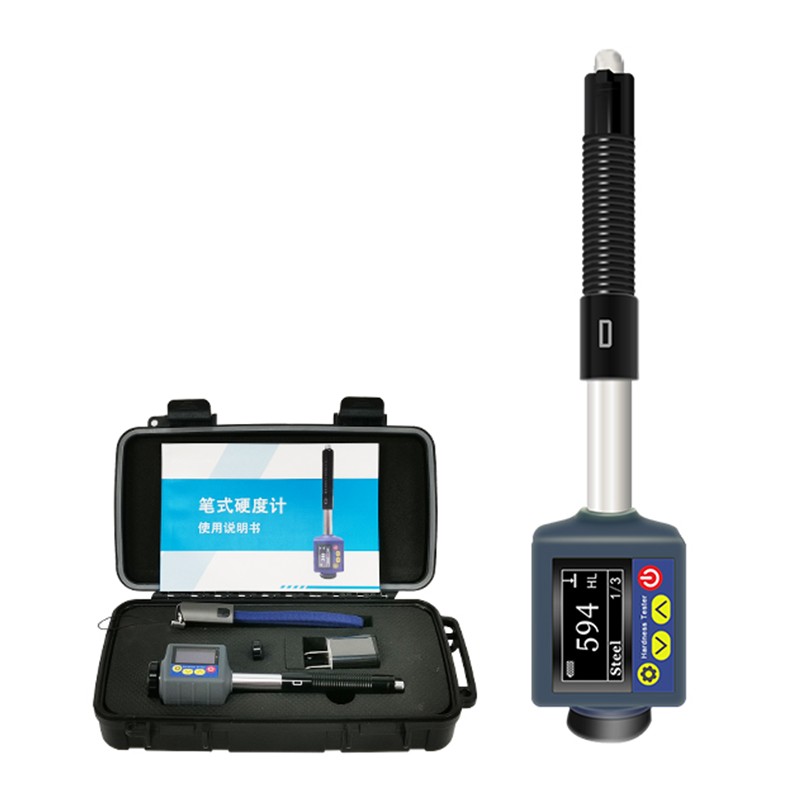
A portable hardness tester measures the hardness of metals by applying a specific force through an indenter and observing the resulting deformation or rebound. Unlike traditional bench-top models, portable testers are compact, lightweight, and ideal for on-site inspection or large workpieces that cannot be easily moved.
- Non-destructive testing: Allows measurement without damaging the material surface.
- Versatility: Applicable to various metals including steel, aluminum, copper, and cast iron.
- Efficiency: Provides instant results suitable for production line and field environments.
Key Factors to Consider When Choosing a Portable Hardness Tester
1. Type of Metal Material
Different metals respond differently to hardness testing methods. For example:
- Steel and cast iron: Require high-impact methods such as the Leeb or Rockwell portable systems.
- Aluminum and copper alloys: Benefit from lower-force or ultrasonic contact impedance testers to avoid surface damage.
- Thin metal sheets: Should be tested using devices with micro-indentation capabilities for higher sensitivity.
2. Testing Method and Accuracy
The testing principle—Leeb, ultrasonic, or rebound—affects the accuracy and suitability for different materials. Leeb hardness testers are preferred for general applications, while ultrasonic types provide higher precision for small parts or coatings.
3. Surface Condition and Shape
For curved or rough surfaces, select a portable tester with adjustable or replaceable probes to ensure proper contact and repeatability of readings.
4. Portability and Battery Life
For field operations or frequent movement between testing points, lightweight models with long-lasting batteries and durable designs are ideal.
5. Data Storage and Connectivity
Modern portable hardness testers often feature digital displays, USB or Bluetooth connectivity, and internal data logging functions. These capabilities are essential for quality control systems and production traceability.
Advantages of Choosing Hangzhou Jingjing Testing Instrument Co., Ltd.
- Comprehensive product range: The company offers over a thousand testing instruments, including hardness testers, tensile testing machines, metallographic microscopes, and more.
- Expert engineering team: Composed of experienced professionals involved in domestic instrument development and collaboration projects.
- Extensive distribution network: Coverage across major industrial regions in China ensures efficient supply and after-sales support.
- Technical support and training: Pre-sales consulting, operational training, and after-sales maintenance are fully provided.
- High cost-effectiveness: Adhering to the principle of “Better price for equal quality; better service for equal price.”
Conclusion
Selecting the right portable hardness tester requires understanding the material characteristics, testing methods, and operational needs. With its deep industry expertise and diverse range of high-quality instruments, Hangzhou Jingjing Testing Instrument Co., Ltd. provides customized solutions that help enterprises enhance quality management and ensure reliable testing performance. The company’s commitment to integrity, technical excellence, and customer satisfaction makes it a trusted partner for long-term collaboration.
FAQ: Common Questions About Portable Hardness Testers
- Q1: Can portable hardness testers replace traditional bench-top machines?
A: They are ideal for on-site testing but bench-top machines still offer higher precision for laboratory use.
- Q2: How often should the tester be calibrated?
A: Regular calibration is recommended every 6–12 months, depending on usage frequency and environment.
- Q3: Are portable hardness testers suitable for non-metal materials?
A: Some advanced models can measure hard plastics or composites, but metal testing remains their primary application.


 English
  Español
  Deutsch