How to Select the Right Metallographic Consumables for Different Materials and Applications
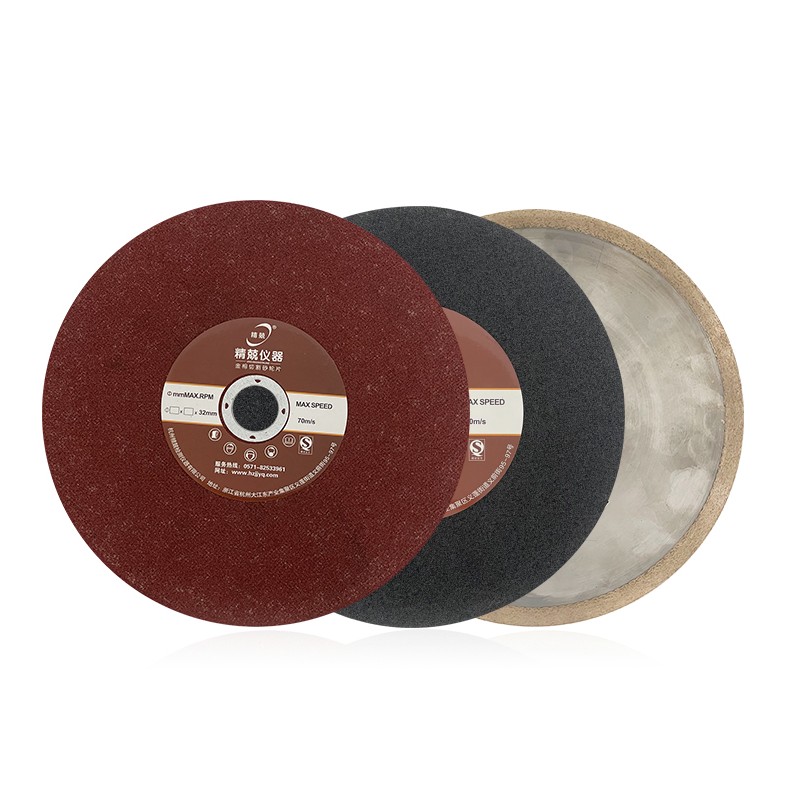
Selecting the appropriate metallographic consumables is crucial for achieving accurate, reproducible results in material analysis. Metallographic consumables include a wide range of products such as polishing cloths, abrasive papers, polishing suspensions, etchants, mounting compounds, and cleaning agents. The choice of consumables directly affects sample preparation quality, surface finish, and the clarity of microstructural features observed under a microscope.
Key Factors in Selecting Metallographic Consumables
1. Material Type
Different metals and alloys require specific abrasives and polishing compounds. For example:
- Soft metals (e.g., aluminum, copper): Use finer abrasives and softer polishing cloths to prevent deformation.
- Hard metals (e.g., stainless steel, tool steel): Require coarser abrasives initially and durable polishing suspensions for effective surface finishing.
2. Application Requirements
The intended analysis method influences consumable selection:
- Optical microscopy: Demands scratch-free surfaces with minimal deformation.
- Hardness testing: Requires flat, well-prepared surfaces without residual stresses.
- Etching and microstructural analysis: Compatible mounting compounds and chemical etchants must be selected to highlight desired features without damaging the sample.
3. Consumable Parameters
It is essential to refer to the technical parameters of each consumable to ensure optimal performance. Example parameter table:
| Consumable Type |
Typical Parameters |
Recommended Use |
Notes |
| Abrasive Paper |
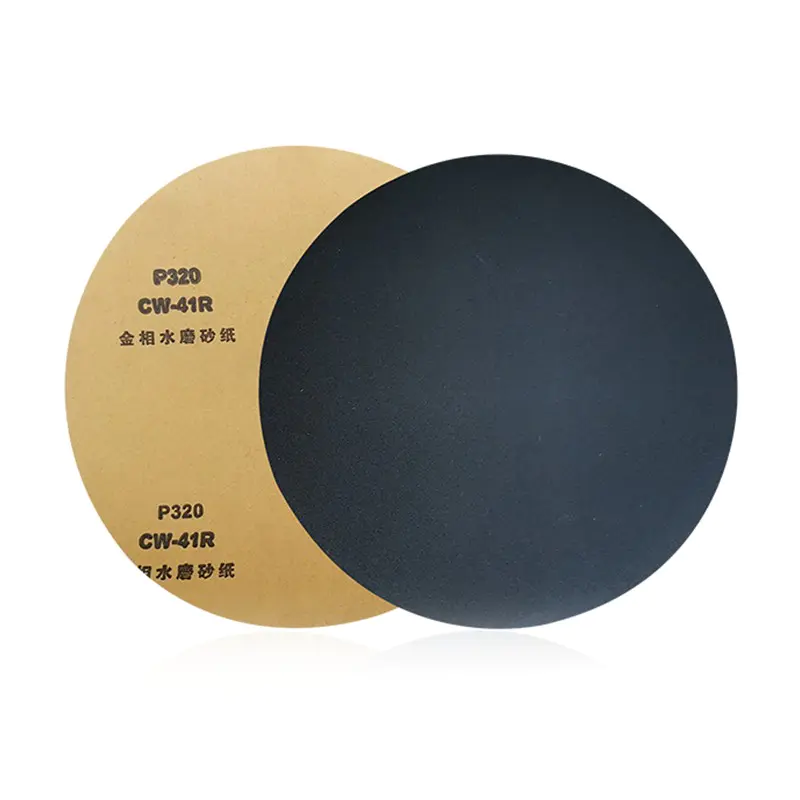
Grit size: P180–P4000 |
Grinding various metals |
Choose finer grits for final grinding |
| Polishing Cloth |
Material: Microfiber, Cotton |
Polishing metals |
Softer cloths for soft metals |
| Polishing Suspension |
Particle size: 0.05–1 µm |
Final polishing |
Diamond or alumina based |
| Mounting Compound |
Thermosetting or Cold Mount Resin |
Sample mounting for cross-section |
Ensure chemical compatibility with etchants |
| Etchant |
Composition: Acid-based or reagent |
Revealing microstructure |
Select based on material type |
| Cleaning Agent |
Alcohol, Water-based solvents |
Surface cleaning |
Avoid contamination or residue |
4. Supplier Expertise and Support
Selecting consumables from a reliable supplier ensures consistency and technical guidance. Hangzhou Jingjing Testing Instrument Co., Ltd. offers a comprehensive range of metallographic consumables and sample preparation equipment. With decades of experience in production, R&D, and after-sales service, the company provides expert consultation to match consumables with specific materials and analytical needs. Their extensive product portfolio, high-quality standards, and regional support network help laboratories achieve precise and efficient metallographic analysis.
5. Cost-Effectiveness and Availability
It is important to balance quality, performance, and cost. Choosing consumables that are readily available and compatible with existing equipment reduces downtime and ensures smooth workflow.
Conclusion
Proper selection of metallographic consumables is critical for reliable material analysis. By considering the material type, analytical application, consumable specifications, supplier expertise, and cost-effectiveness, laboratories can ensure optimal sample preparation and accurate results. Partnering with a reputable provider like Hangzhou Jingjing Testing Instrument Co., Ltd. can simplify the selection process and enhance overall laboratory efficiency.
Innovations in Metallographic Consumables: Enhancing Efficiency and Consistency in Metallography
Metallographic analysis relies heavily on high-quality sample preparation to achieve accurate and reproducible results. Recent innovations in metallographic consumables have significantly improved both efficiency and consistency in laboratories, allowing researchers and quality control professionals to obtain precise microstructural insights with less effort and time.
1. Advanced Abrasives and Polishing Compounds
Modern abrasives and polishing compounds are engineered to deliver uniform material removal rates and minimal surface damage. Innovations include:
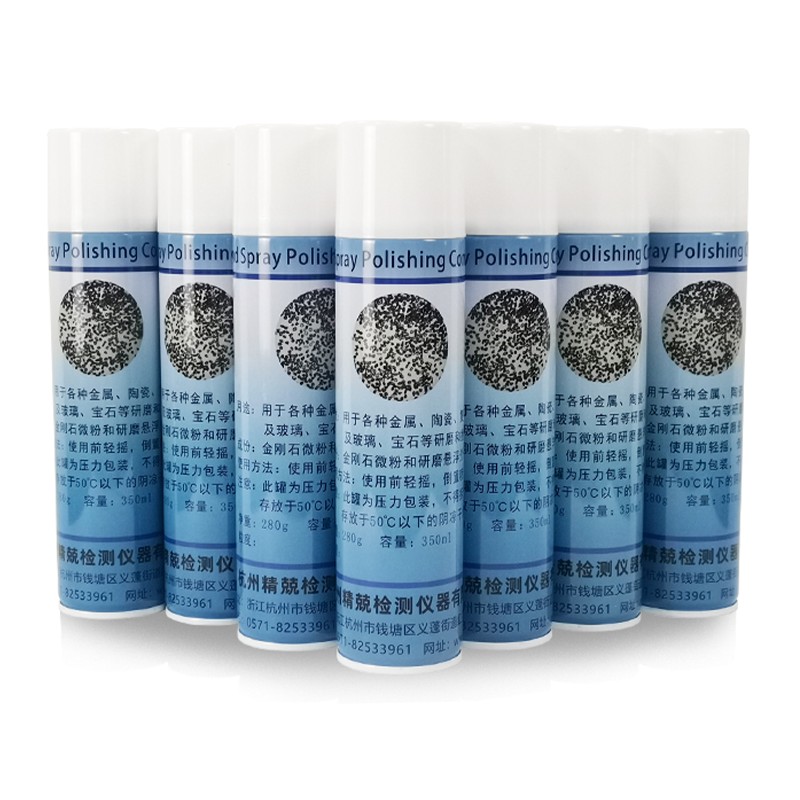
- Nanoparticle-based polishing suspensions: Provide ultra-fine polishing with reduced deformation.
- Composite abrasives: Blend of diamond and alumina particles for longer life and consistent performance across different metal types.
These developments reduce the number of steps required in sample preparation, saving time while improving surface quality.
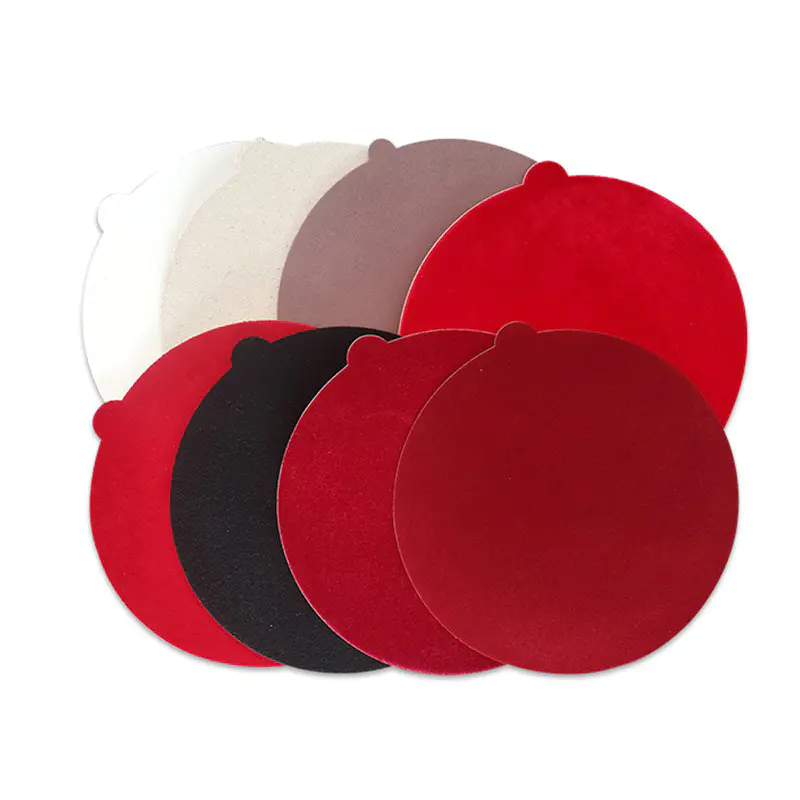
2. Smart Polishing Cloths
Polishing cloths now come with enhanced durability and optimized surface textures for different stages of polishing:
- Cloths with embedded microstructures maintain uniform abrasive distribution.
- Materials resistant to wear and chemical degradation ensure reproducible results across multiple samples.
3. Rapid and Consistent Mounting Materials
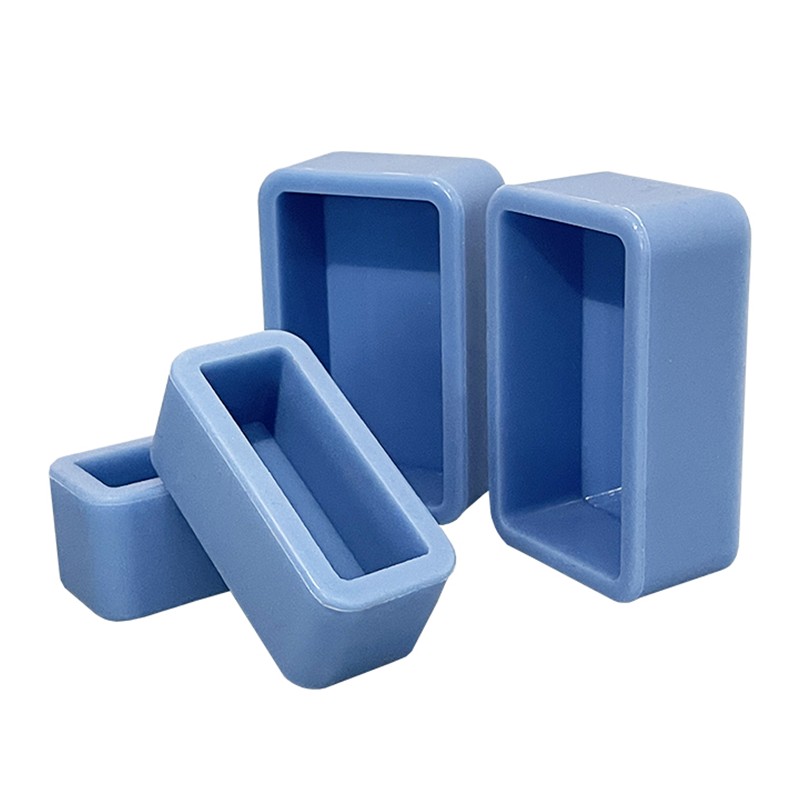
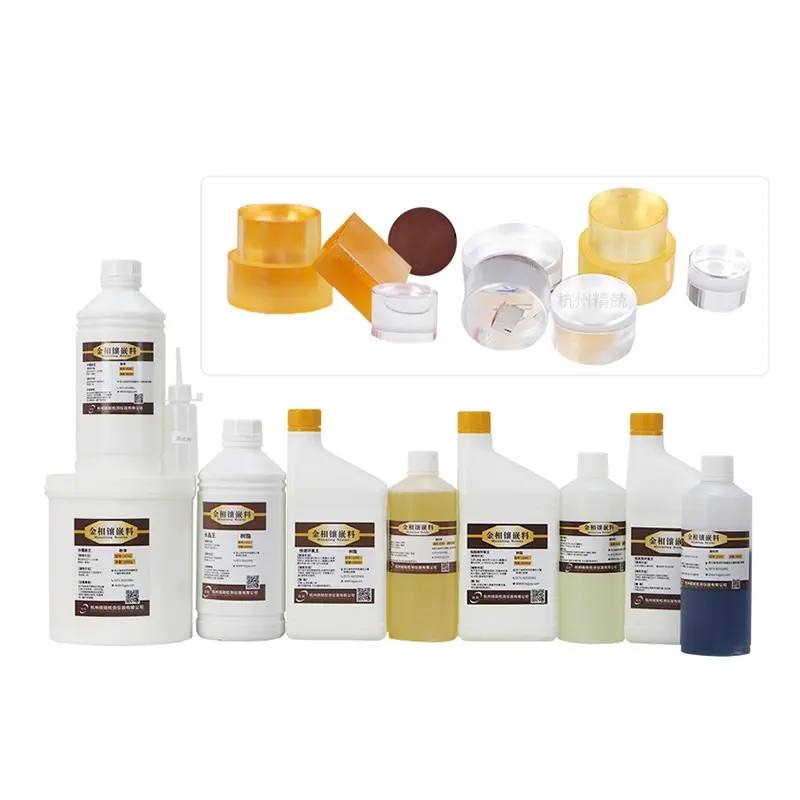
Innovations in mounting compounds, both cold and hot-setting, offer improved thermal stability and reduced shrinkage. This ensures that delicate samples, such as thin coatings or heterogeneous alloys, remain intact and properly supported during grinding and polishing.
4. Eco-Friendly and Safer Etchants
Modern metallographic etchants have evolved to be more environmentally friendly and safer to handle, while maintaining the ability to clearly reveal microstructures. Pre-mixed, ready-to-use etchants reduce preparation time and variability, enhancing consistency across analyses.
5. Automation-Compatible Consumables
With the rise of automated metallography systems, consumables are increasingly designed for compatibility with robotic polishing and grinding machines. This includes standardized mounting sizes, pre-calibrated polishing compounds, and consumables that minimize operator-dependent variability.
Innovations in metallographic consumables—from advanced abrasives and polishing compounds to smart mounting materials and eco-friendly etchants—are transforming laboratory workflows. These advancements enhance both efficiency and consistency, enabling laboratories to achieve high-quality, reproducible results while reducing preparation time and operator influence. As technology continues to evolve, metallographic consumables will play an even greater role in improving material analysis processes.


 English
  Español
  Deutsch