Is Cutting Coolant for Metallographic Machine Compatible with All Types of Metallographic Saws?
In the field of metallographic analysis, precision and consistency are paramount. Every stage—from cutting and grinding to polishing and etching—affects the final accuracy of microstructural observation. Among these stages, cutting is particularly crucial because it determines whether the sample’s original structure remains intact. This is where cutting coolant for metallographic machine plays a decisive role. The correct coolant not only enhances cutting performance but also prevents microstructural alteration, thermal damage, and contamination.
However, a common question arises among laboratories, industrial users, and material testing engineers: Is cutting coolant for metallographic machine compatible with all types of metallographic saws?
Understanding the Function of Cutting Coolant in Metallography
The purpose of using coolant
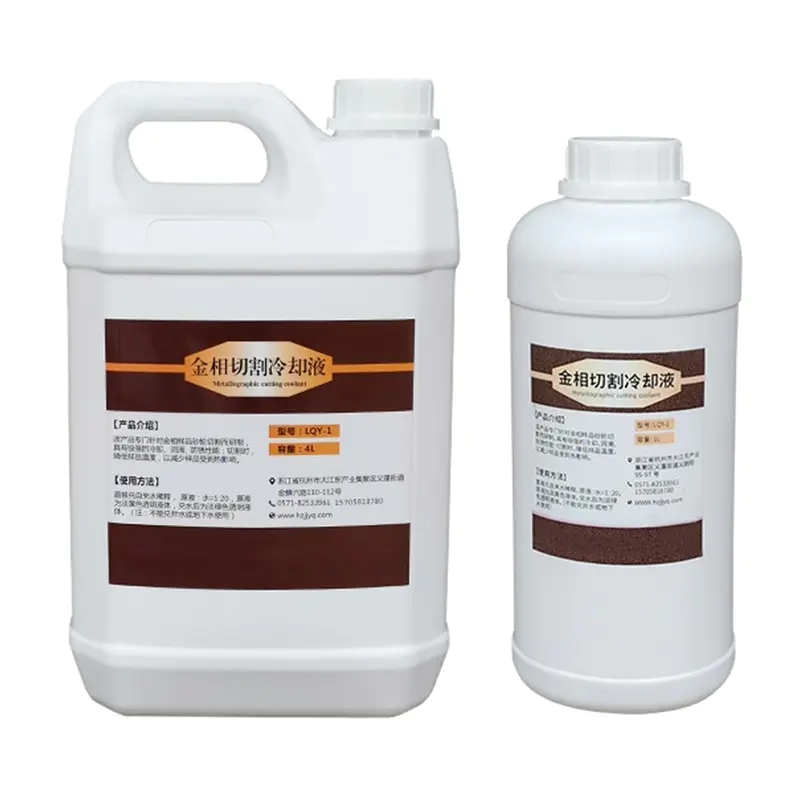
In metallographic sample preparation, cutting generates intense friction and heat between the cutting blade and the specimen. Excessive temperature not only alters the sample’s metallurgical structure but may also cause oxidation or deformation. Cutting coolant for metallographic machine serves to reduce friction, disperse heat, and remove debris from the cutting interface, thereby maintaining both cutting accuracy and blade longevity.
Composition and working principles
A typical cutting coolant is a balanced formulation consisting of water or oil as a base fluid, along with additives such as emulsifiers, corrosion inhibitors, and lubricants. Water-based coolants excel in heat dissipation, while oil-based formulations offer superior lubrication. Some advanced products combine both characteristics through emulsified technology. The goal is to maintain stable viscosity, ensure even heat transfer, and provide consistent lubrication across diverse cutting environments.
Relevance to metallographic cutting disc selection
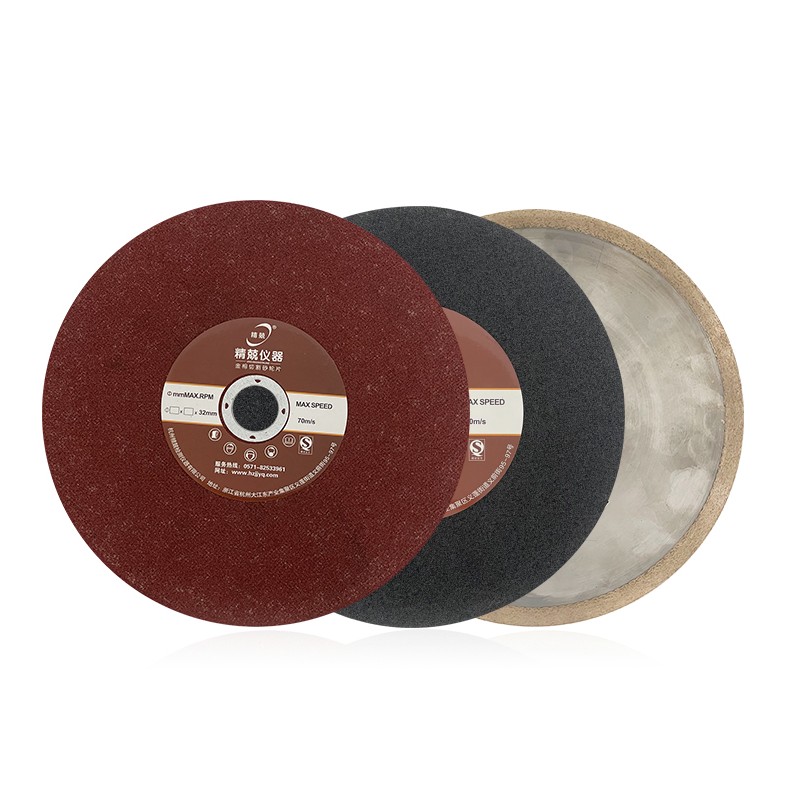
The performance of the coolant is closely linked to the type of metallographic cutting disc used. High-speed abrasive wheels require coolants with strong heat dissipation capability, whereas precision diamond blades may need coolants that minimize vibration and surface tension. Thus, selecting the right coolant is not an isolated decision—it must align with the saw design, disc type, and sample material.
Types of Metallographic Saws and Their Coolant Requirements
Metallographic saws can be broadly categorized based on their cutting mechanism, speed, and intended application. Each category imposes distinct demands on coolant compatibility.
Low-speed precision saws
Low-speed saws are primarily used for delicate specimens such as electronic components, ceramics, or soft metals. The cutting speed typically ranges from 50 to 500 rpm, and heat generation is minimal. For these saws, cutting coolant for metallographic machine must have low viscosity and a stable pH value to prevent chemical reaction with the sample. Water-based or glycol-type coolants are most suitable due to their excellent cooling and flushing properties.
Medium-speed general-purpose saws
These saws are designed for a wide range of materials, from steels and alloys to composites. Operating speeds usually fall between 500 and 3,000 rpm, where both heat and friction increase significantly. In such cases, a semi-synthetic coolant that balances cooling and lubrication is preferred. Compatibility depends on the coolant’s ability to maintain stability under moderate temperature rise and its non-reactivity with different metals.
High-speed automatic cutting systems
High-speed metallographic saws are commonly used in production laboratories that require rapid throughput and consistent results. The intense friction and continuous operation demand a coolant that provides superior thermal stability, anti-foaming performance, and resistance to oxidation. Oil-based or synthetic coolants with enhanced lubricity are often chosen. Incompatible coolants can lead to blade glazing, surface burn, or premature wear of the metallographic cutting disc.
The table below summarizes the general compatibility between coolant types and saw categories:
| Type of Metallographic Saw |
Operating Speed (rpm) |
Recommended Coolant Type |
Key Compatibility Factors |
| Low-speed precision saw |
50–500 |
Water-based or glycol |
Low viscosity, pH stability, non-reactive formulation |
| Medium-speed general saw |
500–3,000 |
Semi-synthetic |
Balanced cooling/lubrication, anti-corrosion properties |
| High-speed automatic saw |
3,000–10,000+ |
Synthetic or oil-based |
High temperature resistance, anti-foaming stability |
Key Factors Influencing Coolant Compatibility
1. Material of the specimen
The chemical composition and hardness of the specimen dictate the coolant’s formulation requirements. For ferrous metals, rust inhibition is critical; for aluminum or magnesium alloys, the coolant must prevent staining or hydrogen reaction. Using an incompatible coolant may lead to discoloration or microcrack formation.
2. Blade type and bonding material
The coolant’s effectiveness also depends on the metallographic cutting disc material. For diamond blades with resin bonding, a coolant with strong lubrication reduces friction and blade wear. Conversely, vitrified-bond blades require coolants that avoid penetrating the pores, which might weaken the bond.
3. System design and circulation mechanism
Modern metallographic machines often include a closed-loop coolant system with filters and flow regulators. The coolant’s viscosity, foaming tendency, and particle-carrying capacity influence whether it circulates efficiently. If the coolant is too thick or unstable, it may clog the filter or reduce flow rate, compromising both cooling and cleaning performance.
4. Chemical stability and contamination control
Over time, coolant composition can change due to microbial growth or chemical oxidation. Regular monitoring of concentration, pH, and clarity is essential. Incompatible formulations may accelerate bacterial contamination, affecting coolant performance and the cleanliness of the cutting area.
5. Environmental and safety compliance
Industrial and laboratory users increasingly demand eco-friendly formulations. Modern cutting coolant for metallographic machine products are designed to be biodegradable, low-odor, and free from chlorine and nitrites. These formulations minimize environmental impact while maintaining technical performance across diverse saw types.
How Hangzhou Jingjing Testing Instrument Co., Ltd. Ensures Compatibility and Performance
Advanced R&D capabilities
Hangzhou Jingjing Testing Instrument Co., Ltd. is a comprehensive enterprise specializing in the R&D, production, and sales of hardness testers, tensile testing machines, metallographic microscopes, and metallographic sample preparation equipment. With a dedicated team of experienced engineers, the company has built a robust foundation for developing and optimizing cooling systems that meet international metallographic standards.
Customized solutions for metallographic applications
The company’s technical team conducts in-depth evaluations of each user’s application scenario. Whether for small laboratories or industrial production lines, customized coolant recommendations are made based on saw speed, material type, and workflow environment. This tailored approach ensures that cutting coolant for metallographic machine products remain compatible with a wide range of metallographic saws.
Integration with metallographic system design
Because Hangzhou Jingjing Testing Instrument Co., Ltd. also designs metallographic saws and sample preparation systems, their engineers are able to coordinate coolant flow rate, pump pressure, and filtration efficiency from a system perspective. This integration minimizes thermal stress, prevents abrasive residue buildup, and ensures consistent cutting quality.
Continuous innovation and cooperation
With multiple engineers holding over a decade of industry experience, the company maintains strong partnerships with universities and research institutes. These collaborations have resulted in advanced formulations and optimized circulation systems that improve coolant performance across different metallographic machines. Their AI-based defect detection and precision analysis systems reflect the company’s broader commitment to technical advancement and quality assurance.
Evaluating Coolant Compatibility in Practical Applications
Laboratory testing and standard compliance
Compatibility testing typically involves evaluating corrosion resistance, thermal stability, and material integrity after cutting. Laboratories often reference ASTM and ISO standards to verify that the coolant does not alter microstructures or leave chemical residues. The most reliable cutting coolant for metallographic machine formulations maintain uniform cooling even under variable cutting loads.
Common signs of incompatibility
Users can identify incompatibility through several symptoms:
- Excessive foaming during operation, indicating imbalance in surface tension.
- Discoloration or oxidation of the specimen surface.
- Blade glazing or uneven wear on the metallographic cutting disc.
- Reduced coolant circulation or filtration blockage.
- Unpleasant odor, suggesting microbial degradation.
Addressing these issues promptly helps maintain both safety and accuracy in metallographic preparation.
Maintenance and monitoring practices
To ensure ongoing compatibility, operators should check coolant concentration weekly, clean the circulation system periodically, and replace the coolant according to manufacturer guidelines. Proper maintenance extends both coolant and blade life, supporting consistent metallographic results.
Advantages of Using Compatible Coolants
Enhanced cutting precision
A properly matched cutting coolant for metallographic machine ensures minimal thermal distortion and consistent material removal, which is vital for maintaining the specimen’s original grain structure.
Longer equipment and disc lifespan
Lubrication and cooling efficiency directly reduce wear on the saw spindle, motor, and metallographic cutting disc, lowering maintenance costs and downtime.
Improved laboratory efficiency
Stable coolant performance minimizes cleaning requirements and enhances throughput in high-volume laboratories. Moreover, consistent coolant flow ensures repeatable results for quality management and certification processes.
Environmental and safety benefits
Modern coolants are designed to meet health and environmental regulations, reducing operator exposure to harmful substances. Compatibility with filtration systems further supports waste minimization and recycling efforts.
Conclusion
While no single coolant can universally suit every cutting environment, cutting coolant for metallographic machine can achieve broad compatibility through proper formulation, system integration, and maintenance practices. The key lies in matching coolant characteristics—such as viscosity, thermal conductivity, and chemical stability—with the type of metallographic saw and specimen material.
Hangzhou Jingjing Testing Instrument Co., Ltd. exemplifies a holistic approach to this compatibility challenge. Through continuous R&D, advanced engineering, and close collaboration with users, the company ensures that its cooling solutions align with a wide spectrum of metallographic machines and cutting systems.
In the context of metallographic preparation, the choice of coolant is not a minor accessory—it is a decisive factor that determines the accuracy, reliability, and efficiency of every analysis. When selected and maintained correctly, compatible coolants safeguard both the integrity of the sample and the performance of the equipment, ensuring lasting value for every laboratory and industrial user.


 English
  Español
  Deutsch