How Can Metallographic Grinding and Polishing Consumables Optimize Material Analysis and Quality Control?
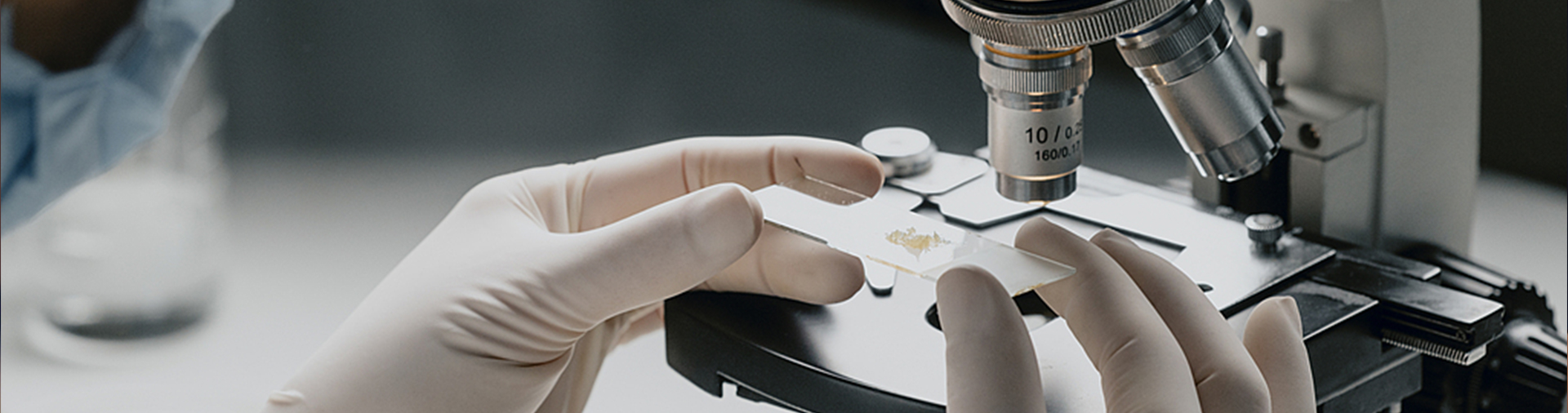
In the modern industrial and research landscape, the precision and reliability of metallographic analysis are indispensable. Understanding microstructure, phase distribution, and material defects requires not only advanced microscopy but also a meticulous sample preparation process. Central to this preparation are metallographic grinding and polishing consumables, which ensure samples are representative, damage-free, and ready for accurate analysis.
The Role of Metallographic Grinding and Polishing Consumables
Metallographic consumables form the backbone of sample preparation. They include abrasives, polishing cloths, diamond pastes, and lubricants, each designed to achieve progressive removal of material and surface refinement. The main objectives of these consumables are:
- Material Removal – Controlled grinding removes surface irregularities and ensures parallelism without inducing subsurface deformation.
- Surface Flattening – Polishing consumables smooth the surface to mirror finish levels, allowing optical or electron microscopy to reveal true microstructure.
- Defect Minimization – Proper use reduces scratches, pull-outs, or embedment, which could mislead material characterization.
- Standard Compliance – Consumables must meet ASTM, ISO, or GB standards to ensure repeatable and standardized sample preparation.
The quality of metallographic grinding and polishing consumables directly influences analytical accuracy, making their selection critical in industries from metallurgy and electronics to aerospace and automotive sectors.
Types of Metallographic Grinding and Polishing Consumables
Grinding Abrasives
Grinding abrasives are designed to remove material rapidly while maintaining control over surface roughness. They are commonly classified as:
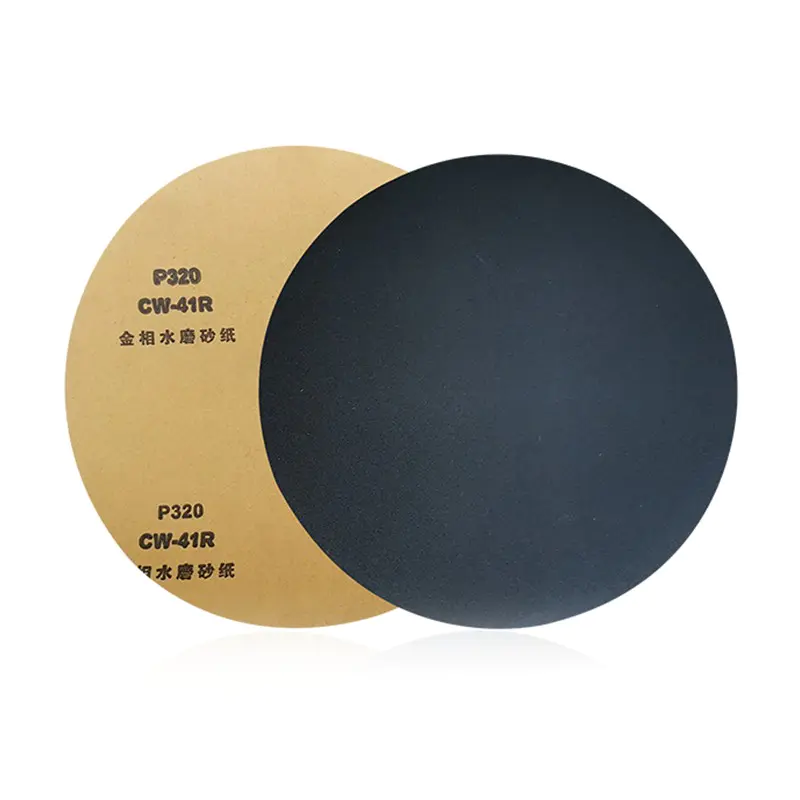
- Silicon carbide (SiC) papers: Available in multiple grit sizes, they are ideal for initial sample flattening.
- Aluminum oxide abrasives: Used for fine grinding and pre-polishing steps, offering uniform wear and consistent results.
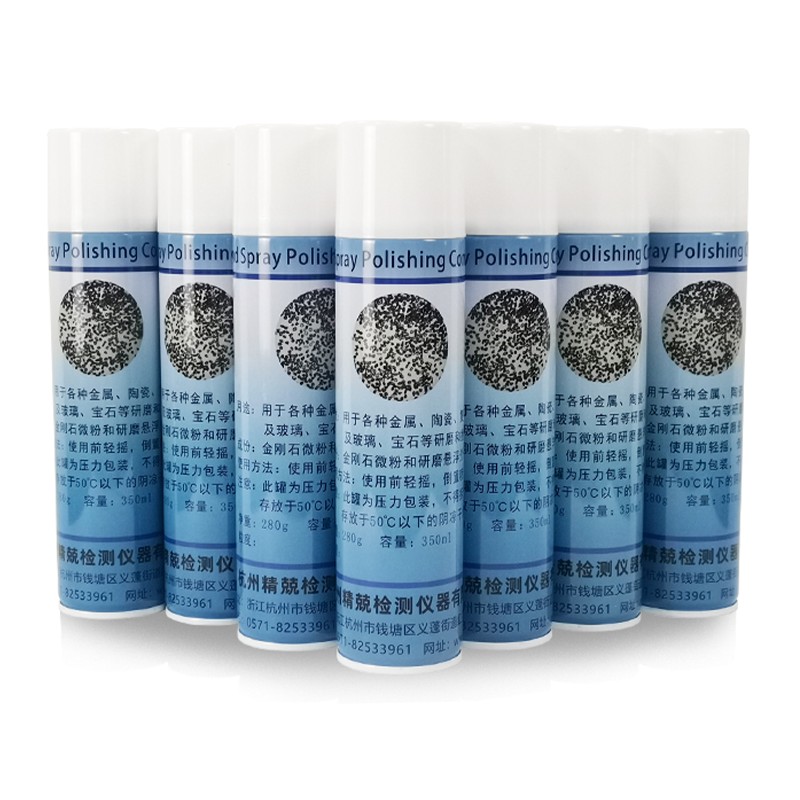
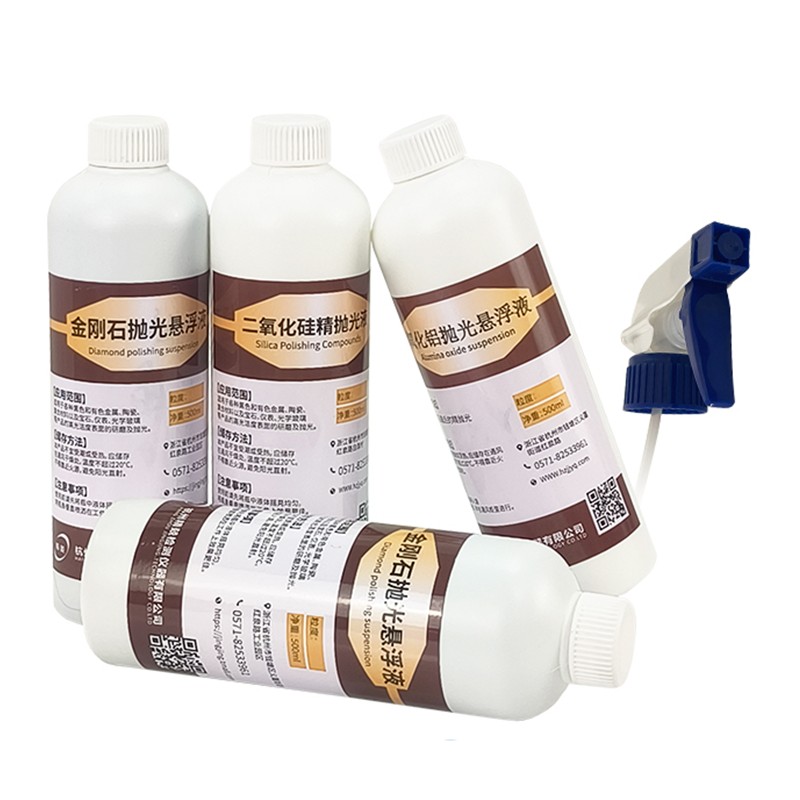
- Diamond abrasives: Provide high efficiency, especially for hard metals or ceramics, and are available in suspension or fixed abrasive formats.
Polishing Cloths
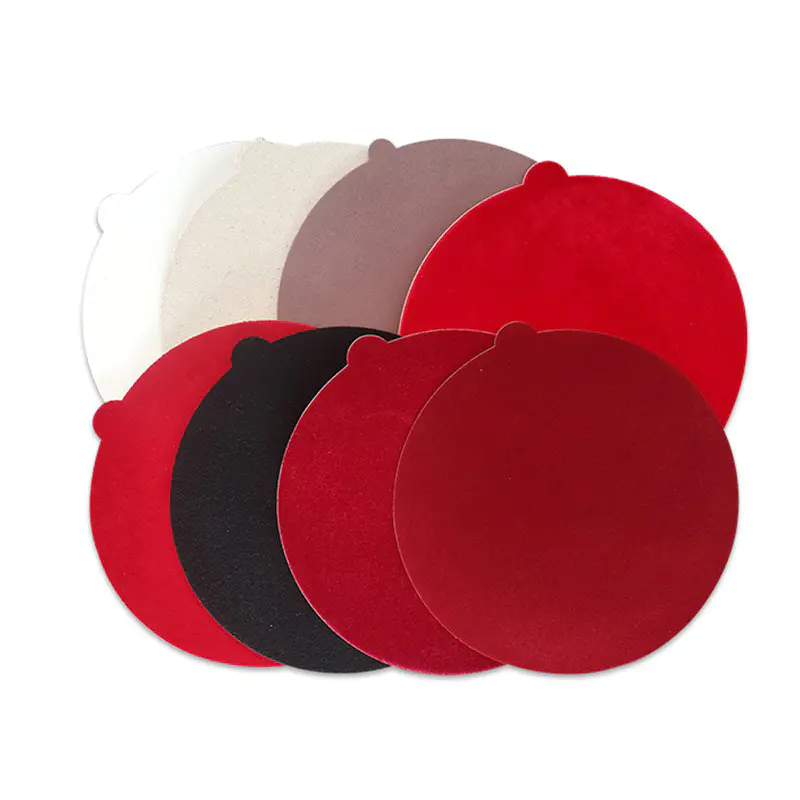
Polishing cloths serve as carriers for abrasive particles and significantly affect surface finish quality. They are made from materials such as:
- Cotton: Offers soft and consistent polishing, suitable for fine and final polishing.
- Polyester or synthetic fabrics: Provide durability and chemical resistance for specialized applications.
- Microfiber: Ideal for ultra-fine polishing, reducing micro-scratches.
The choice of cloth depends on the material hardness, required finish, and compatibility with polishing agents.
Diamond and Alumina Pastes
Diamond pastes, ranging from micron to sub-micron sizes, are essential for achieving mirror finishes on high-hardness materials. Alumina pastes serve as a cost-effective alternative for softer metals. Both pastes are applied with appropriate lubricants to reduce heat generation and prevent sample distortion.
Lubricants and Polishing Fluids
Lubricants, typically water-based or oil-based, are integral to polishing processes. They carry abrasive particles, reduce friction, prevent heat buildup, and flush away debris. Selecting the right fluid is crucial for both safety and surface quality.
Selection Principles for Consumables
Choosing the correct metallographic grinding and polishing consumables requires consideration of several factors:
- Material Hardness – Harder metals require stronger abrasives like diamond; softer metals benefit from aluminum oxide or alumina.
- Surface Finish Requirements – High-resolution microscopy demands ultra-fine polishing, influencing cloth and abrasive selection.
- Process Efficiency – Balancing material removal rate with surface integrity is essential for cost-effective workflows.
- Standard Compliance – Ensure consumables meet relevant metallographic standards to guarantee reproducibility and traceability.
Hangzhou Jingjing Testing Instrument Co., Ltd. provides customized solutions, leveraging its extensive portfolio of consumables and expert guidance to optimize manufacturing processes.
Applications Across Industries
Metallurgical Industry
In steel, aluminum, and alloy production, precise microstructural evaluation guides heat treatment, quality certification, and failure analysis. Correct consumable selection ensures minimal artifacts and reliable results.
Electronics and Semiconductor Manufacturing
Microelectronics require defect-free surfaces for cross-sectional analysis. Fine polishing with sub-micron abrasives prevents delamination and reveals intricate structures.
Aerospace and Automotive Materials
High-strength alloys and composites undergo rigorous metallographic inspection to ensure fatigue resistance and structural integrity. Advanced consumables facilitate preparation of these challenging materials.
Research and Education
Universities and laboratories rely on consistent and reproducible preparation to teach materials characterization and conduct innovative research. Consumable standardization ensures comparable results across experiments.
Innovations and Technical Support by Leading Enterprises
Hangzhou Jingjing Testing Instrument Co., Ltd. exemplifies the integration of technology, expertise, and service in this field. The company’s strengths include:
- Design Team – Provides customized solutions based on customer usage scenarios, ensuring efficiency and innovation.
- Technical Team – Engages in collaborations with well-known domestic instrument manufacturers to advance consumable technology and enhance process reliability.
- Service Team – Delivers rapid after-sales support, including installation, maintenance, and technical guidance, ensuring uninterrupted operation.
With a product range exceeding a thousand items, the company supports comprehensive quality management systems, integrating dimensional metrology, mechanical testing, optical instruments, and metallographic sample preparation equipment.
Best Practices for Consumable Usage
To maximize the efficiency and lifespan of metallographic consumables:
- Follow a Stepwise Protocol – Progress from coarse grinding to fine polishing, adjusting abrasive size incrementally.
- Regular Maintenance – Clean and inspect polishing cloths and grinding plates to prevent contamination and uneven wear.
- Monitor Consumable Wear – Replace worn abrasives to maintain surface integrity and analysis accuracy.
- Optimize Lubricant Usage – Ensure adequate fluid supply to minimize heat and particle embedding.
By adhering to these best practices, laboratories and industrial facilities achieve reliable, repeatable, and high-quality sample preparation.
Conclusion
Metallographic grinding and polishing consumables are indispensable in achieving accurate material characterization and ensuring quality control across industries. Their selection, application, and maintenance require deep technical knowledge, precision, and adherence to standardized protocols. Hangzhou Jingjing Testing Instrument Co., Ltd. not only provides high-quality consumables, but also integrated solutions, expert guidance, and reliable after-sales service, playing a key role in driving the development of this field. The synergy between advanced consumables and professional technical support ensures that metallographic analysis remains precise, efficient, and fully aligned with the rigorous demands of modern industry.


 English
  Español
  Deutsch