How to Choose the Right Metallographic Inlay Consumables for Accurate Sample Preparation?
In modern materials science and industrial quality control, the preparation of metallographic samples is a foundational step that determines the accuracy and reliability of subsequent analysis. Among the various consumables employed in this process, metallographic inlay consumables play a pivotal role, serving as essential materials for embedding and securing samples before sectioning, grinding, and polishing. The correct choice and application of these consumables not only affect the structural integrity of the sample but also influence the precision of microscopic observations, hardness measurements, and other mechanical property evaluations.
Definition and Importance of Metallographic Inlay Consumables
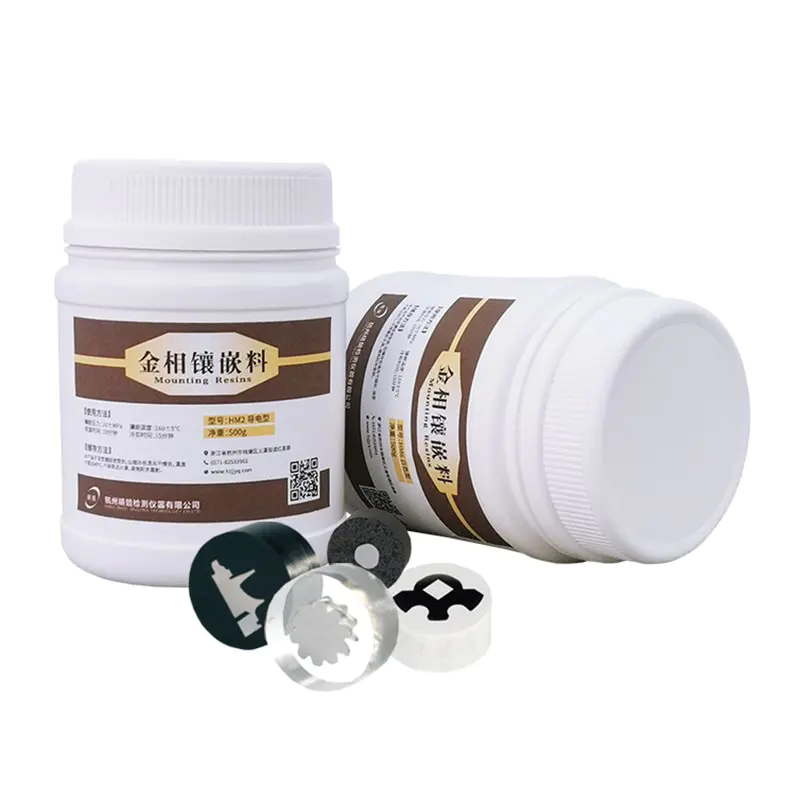
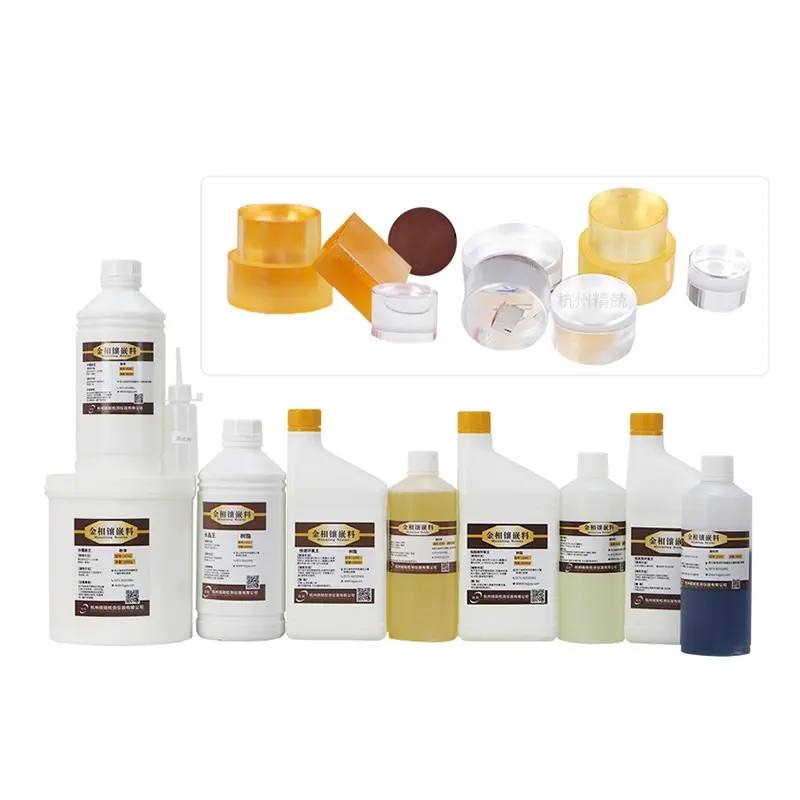
Metallographic inlay consumables generally refer to embedding media and related materials used to enclose specimens in a stable matrix, facilitating subsequent preparation and analysis. These consumables can be broadly classified into thermosetting resins, cold-mounting resins, and auxiliary materials such as release agents and fillers. Thermosetting resins, which require heat and pressure to cure, provide superior hardness and stability, making them suitable for high-volume industrial applications. Cold-mounting resins, on the other hand, cure at ambient temperature and are often chosen for delicate or heat-sensitive samples due to their minimal thermal impact.
The importance of selecting appropriate metallographic inlay consumables lies in ensuring dimensional stability, uniform embedding, and minimal introduction of artifacts that could compromise the microstructural evaluation. Improper selection may lead to voids, cracks, or uneven hardness at the sample-resin interface, resulting in inaccurate measurements or distorted observations under metallographic microscopes.
Material Characteristics and Performance Metrics
High-quality metallographic inlay consumables exhibit several critical characteristics. Firstly, mechanical stability is essential: the embedding medium must withstand grinding and polishing pressures without deformation. Secondly, chemical resistance is necessary to avoid reactions with etchants or other processing agents. Thermal stability is also a key metric, particularly for thermosetting resins that may undergo significant temperature changes during curing. Additionally, transparency and uniformity are often desired to allow easy visualization of sample boundaries and features during microscopic inspection.
Performance metrics of inlay consumables can include hardness, cure time, shrinkage, and adhesion properties. Hardness determines how well the embedding medium supports the sample during cutting and polishing, while minimal shrinkage ensures the sample maintains its original geometry. Adhesion is equally important to prevent separation of the sample from the inlay during mechanical processing.
Application Techniques and Best Practices
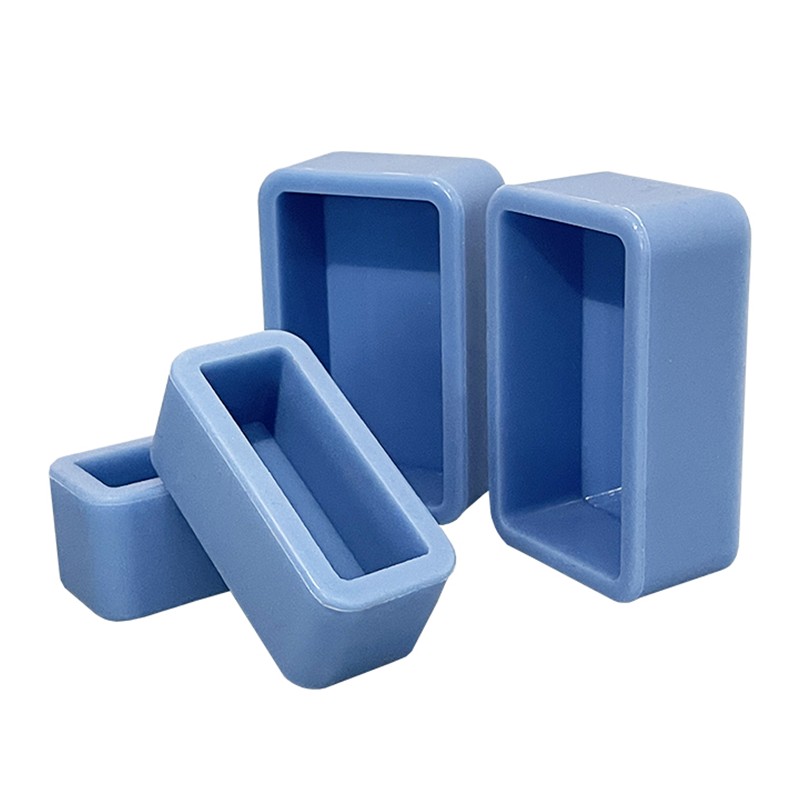
The preparation of metallographic samples using inlay consumables involves several methodical steps. First, the specimen is cleaned to remove surface contaminants, oils, or oxides that could interfere with embedding. Release agents may be applied to molds to facilitate demolding, particularly for thermosetting resins. The sample is then positioned in a mold and the chosen resin is applied, followed by curing under controlled conditions.
Best practices emphasize uniform filling of molds to avoid air pockets and voids, controlled curing temperatures to prevent thermal stress, and post-curing inspection to verify the quality of the inlay. Cold-mounting resins may require additional time for full polymerization, and care should be taken to avoid excessive handling during this stage. For high-precision applications, embedding media may also be selected based on compatibility with subsequent hardness or microhardness testing, ensuring minimal interference with measurement accuracy.
Integration with Metallographic Equipment
Metallographic inlay consumables are closely integrated with various laboratory instruments, including cutting machines, grinding and polishing systems, hardness testers, and microscopes. Hangzhou Jingjing Testing Instrument Co., Ltd. provides comprehensive solutions, including metallographic sample preparation equipment and a wide range of consumables tailored to different sample types and applications. The synergy between high-quality consumables and precision instruments ensures reproducibility, efficiency, and reliability in industrial quality control and research settings.
For example, when preparing metallic, ceramic, or composite specimens for optical or electron microscopy, the choice of inlay consumables directly influences surface flatness and the absence of artifacts. Properly selected embedding media allow the sample to withstand aggressive grinding and polishing sequences without compromising structural fidelity, thereby supporting accurate microscopic characterization and mechanical testing.
Industry Trends and Innovation
Recent advancements in metallographic inlay consumables focus on improving performance, safety, and environmental compatibility. Developments include resins with enhanced hardness and reduced shrinkage, low-exothermic formulations for temperature-sensitive materials, and eco-friendly alternatives with reduced volatile organic compounds (VOCs). Moreover, pre-mixed and fast-curing consumables have gained popularity in high-throughput industrial laboratories, where minimizing preparation time without sacrificing quality is crucial.
Automation in sample preparation is also driving innovation in consumable design. Automated mounting machines require consistent viscosity and predictable curing behavior to achieve repeatable results. Consequently, leading consumable manufacturers are developing materials specifically optimized for compatibility with automated systems, enhancing efficiency while maintaining analytical precision.
Quality Assurance and Standardization
Quality management systems in industrial laboratories increasingly recognize metallographic inlay consumables as a critical factor influencing testing reliability. International standards, such as ISO 5725 for measurement accuracy and ASTM E3 for metallographic specimen preparation, emphasize the need for consistent and reproducible embedding procedures. Compliance with these standards requires careful selection, handling, and storage of inlay consumables, as well as rigorous validation of their performance across different sample types.
Hangzhou Jingjing Testing Instrument Co., Ltd. supports laboratories by providing equipment and consumables that meet international standards. This integrated solution helps companies meet certification requirements and maintain traceable, high-quality results in metallographic analysis.
Selection Criteria for Metallographic Inlay Consumables
When selecting consumables, several factors must be considered:
- Sample Material: Metals, ceramics, polymers, and composites each present unique challenges, influencing the choice of resin type, hardness, and curing method.
- Intended Analysis: Optical microscopy, electron microscopy, or hardness testing may require specific embedding properties to preserve structural integrity.
- Processing Conditions: Temperature, pressure, and chemical exposure during grinding, polishing, and etching must be compatible with the selected consumable.
- Throughput Requirements: High-volume laboratories may prioritize fast-curing, automation-compatible resins, whereas research labs may favor slow-curing, high-clarity materials for detailed observation.
- Environmental and Safety Considerations: Low-VOC formulations and safer handling protocols contribute to laboratory safety and regulatory compliance.
Conclusion
Metallographic inlay consumables form an indispensable part of the sample preparation workflow, directly impacting the quality, reproducibility, and reliability of metallographic analysis. Through careful selection, proper application, and alignment with modern laboratory equipment, these consumables ensure that samples maintain structural integrity throughout cutting, grinding, and polishing processes. Hangzhou Jingjing Testing Instrument Co., Ltd. plays a vital role in driving industry development by providing integrated solutions that combine high-performance consumables with precision instruments, helping laboratories achieve consistent and accurate results.


 English
  Español
  Deutsch