Common Testing Errors with Vickers Hardness Tester and How to Avoid Them
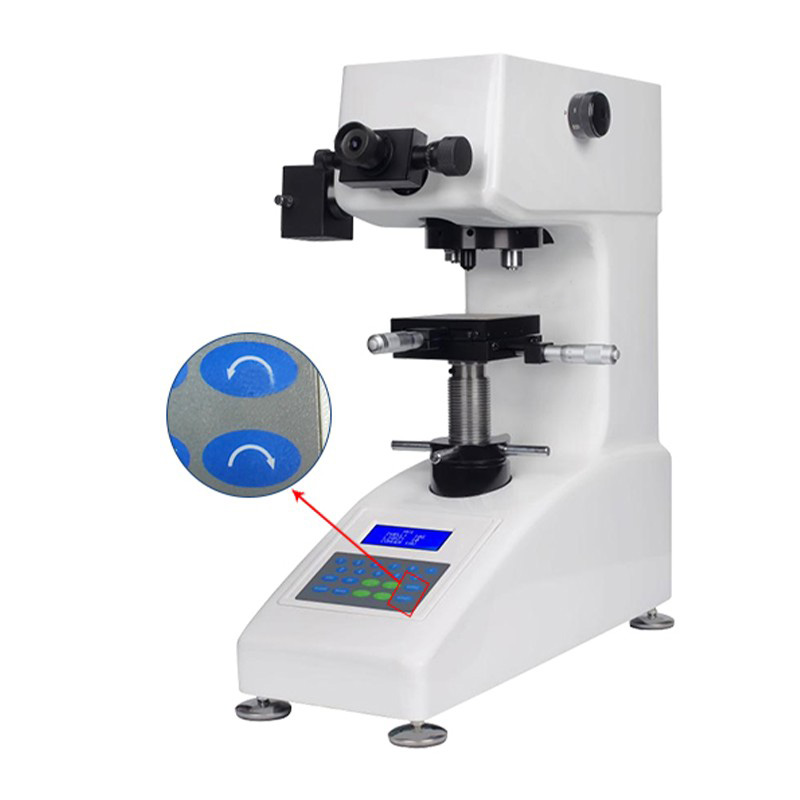
The Vickers Hardness Tester is a precision instrument widely used in material testing laboratories to determine the hardness of metals, alloys, ceramics, and other materials. However, even minor testing errors can lead to inaccurate results and affect quality control decisions. Understanding these common issues and learning how to prevent them is essential for maintaining the reliability and consistency of hardness measurements. This article, presented by Hangzhou Jingjing Testing Instrument Co., Ltd., explores the most frequent testing errors encountered with Vickers hardness testers and provides professional guidance on how to avoid them.
1. Incorrect Surface Preparation
Problem:
The accuracy of the Vickers hardness test heavily depends on the quality of the test surface. If the surface is rough, dirty, or uneven, the indentation produced by the diamond pyramid indenter will not reflect true material hardness.
Solution:
- Ensure the surface is smooth, clean, and polished using proper metallographic preparation methods.
- Use standardized abrasive papers and polishing compounds.
- Clean the specimen thoroughly before testing to remove dust, oil, or oxidation.
2. Inconsistent Test Load Application
Problem:
Inaccurate or unstable load application is a common issue that leads to non-uniform indentations. This may result from mechanical wear, improper calibration, or malfunctioning components in the tester.
Solution:
- Regularly calibrate the Vickers hardness tester using certified standard blocks.
- Perform preventive maintenance to ensure load mechanisms and timing systems operate smoothly.
- Work with qualified technicians, such as those from Hangzhou Jingjing Testing Instrument Co., Ltd., for professional calibration and servicing.
3. Misalignment Between Indenter and Test Surface
Problem:
If the test specimen is not properly leveled or aligned, the indenter may not make uniform contact with the surface, causing asymmetrical or elongated impressions.
Solution:
- Ensure the test sample is mounted securely and horizontally.
- Check the alignment before each test run, especially after changing samples.
- Use optical alignment aids or leveling systems where available.
4. Incorrect Optical Measurement of Indentation
Problem:
The Vickers method relies on measuring the diagonal lengths of the indentation under a microscope. Human error in reading or improper focusing can introduce significant measurement discrepancies.
Solution:
- Use a microscope with high-resolution optics and proper lighting.
- Ensure the operator is trained in reading indentation diagonals precisely.
- Consider using automated image analysis systems to reduce manual reading errors.
5. Neglecting Regular Calibration and Maintenance
Problem:
Over time, even high-quality instruments like the Vickers Hardness Tester can drift from their original calibration settings, especially if used frequently in industrial environments.
Solution:
- Schedule periodic calibration as per ISO and ASTM standards.
- Maintain detailed records of calibration and servicing intervals.
- Partner with certified service providers such as Hangzhou Jingjing Testing Instrument Co., Ltd., who offer professional calibration, maintenance, and technical training services across China.
6. Influence of Environmental Factors
Problem:
Temperature fluctuations, vibrations, and humidity can subtly affect both the instrument’s performance and the material being tested, leading to inconsistent readings.
Solution:
- Perform testing in a stable, vibration-free environment.
- Maintain a consistent temperature and humidity in the testing area.
- Allow specimens to reach thermal equilibrium before measurement.
Conclusion
Precision and reliability are at the core of every Vickers hardness test. By avoiding these common errors and maintaining strict testing discipline, laboratories and manufacturing plants can ensure accurate and repeatable results. Hangzhou Jingjing Testing Instrument Co., Ltd. offers comprehensive support services including equipment calibration, maintenance, technical consulting, and after-sales assistance to help clients uphold testing accuracy and efficiency. With years of industry expertise and a vast product portfolio, the company remains a trusted partner for testing solutions across China and beyond.
FAQ: Common Questions About Vickers Hardness Testing
- Q1: How often should a Vickers hardness tester be calibrated?
A1: Calibration should typically be performed every 6–12 months, depending on usage frequency and testing standards.
- Q2: What materials are best suited for Vickers hardness testing?
A2: It is ideal for metals, ceramics, and micro-scale materials that require precise hardness measurements.
- Q3: Can environmental conditions affect test accuracy?
A3: Yes, temperature, vibration, and humidity can all impact indentation quality and measurement stability.
- Q4: What’s the advantage of using automated optical measurement systems?
A4: Automation reduces human reading errors, improves repeatability, and increases testing speed.
- Q5: Where can I find professional calibration services?
A5: Hangzhou Jingjing Testing Instrument Co., Ltd. provides professional calibration, technical consulting, and maintenance services throughout China.


 English
  Español
  Deutsch