

 English
  Español
  Deutsch
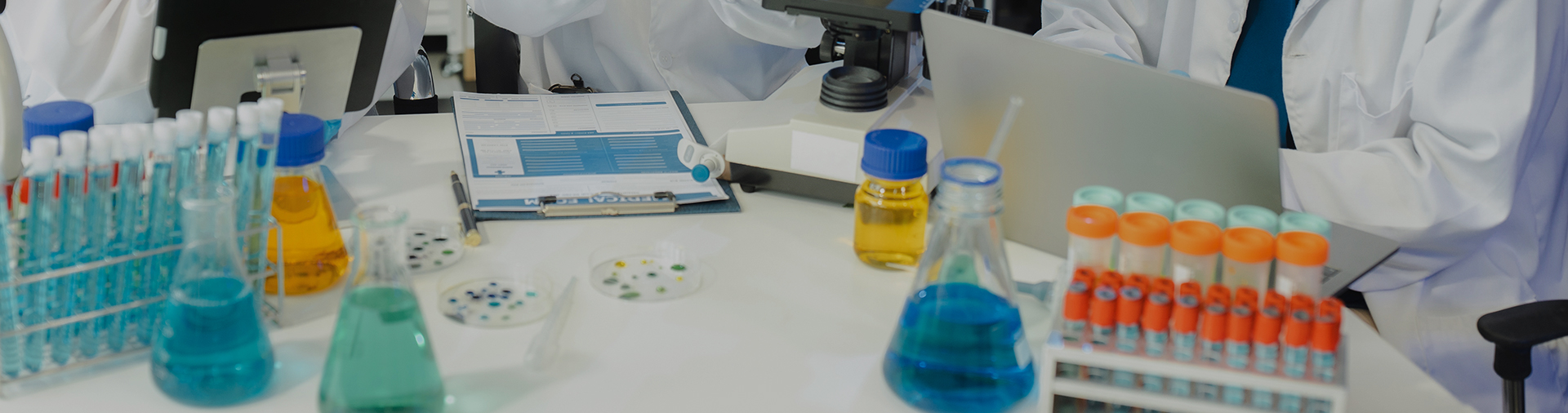
Precision in material testing is critical for manufacturers and laboratories aiming to meet design specifications and quality standards. Hardness & Tensile Machines are essential tools that ensure materials are evaluated accurately, reliably, and consistently, supporting enterprise certification and quality management systems. These machines, combined with proper calibration, automation, and adherence to standards, elevate the reliability of mechanical testing outcomes.
Content
- 1 Standards and Compliance in Mechanical Testing
- 2 Calibration and Traceability for Reliable Results
- 3 Automation and Data Integration in Testing
- 4 Comparative Analysis: Traditional vs. Advanced Systems
- 5 Implementation in Industrial Applications
- 6 Industry Insights and Trends
- 7
- 8 FAQs
- 8.1 1. What is the importance of calibration for Hardness & Tensile Machines?
- 8.2 2. How do industry standards like ASTM E8/E8M-25 affect testing accuracy?
- 8.3 3. Can automation reduce operator-induced errors?
- 8.4 4. How does data integration benefit material testing?
- 8.5 5. Why are ISO/TS 6892-5:2025 standards important for miniaturised specimens?
Standards and Compliance in Mechanical Testing
Adhering to internationally recognised standards ensures that results from Hardness & Tensile Machines are valid across different laboratories and industries. Standards like ASTM E8/E8M-25 for tensile testing define procedural requirements for measuring properties such as ultimate tensile strength, yield strength, and elongation. Compliance with these standards enhances the repeatability and comparability of results.
Similarly, ISO/TS 6892‑5:2025 provides guidelines for testing miniaturised specimens, which is increasingly important in advanced material development where sample quantity is limited.
Source: China Digital Standards - ASTM E8/E8M-25
Source: ISO/TS 6892‑5:2025 Specification for Tensile Testing of Miniaturised Test Pieces
Calibration and Traceability for Reliable Results
Accurate measurement begins with precise calibration. A calibrated Hardness & Tensile Machine reduces systematic errors and ensures traceability to national metrology institutes. Calibration improves:
- Measurement repeatability across multiple test cycles
- Reduction of operator-induced errors
- Inter-laboratory comparability
Automation and Data Integration in Testing
Modern testing machines often incorporate automated sample loading, digital force measurement, and integrated data logging. Automated systems enhance accuracy by minimizing human error, ensuring consistent force application, and enabling secure real-time data storage for audits and analysis.
Key Benefits of Automation
- Consistent sample alignment and loading
- Accurate and repeatable force measurement
- Automated data recording compliant with quality management systems
Comparative Analysis: Traditional vs. Advanced Systems
The table below illustrates the advantages of advanced automated Hardness & Tensile Machines compared to traditional manual systems:
| Feature | Traditional Manual System | Advanced Automated Hardness & Tensile Machines |
|---|---|---|
| Operator Dependency | High | Low |
| Data Traceability | Limited | Comprehensive Digital Logs |
| Measurement Repeatability | Moderate | High |
| Standard Compliance | Partial | Fully Integrated |
Implementation in Industrial Applications
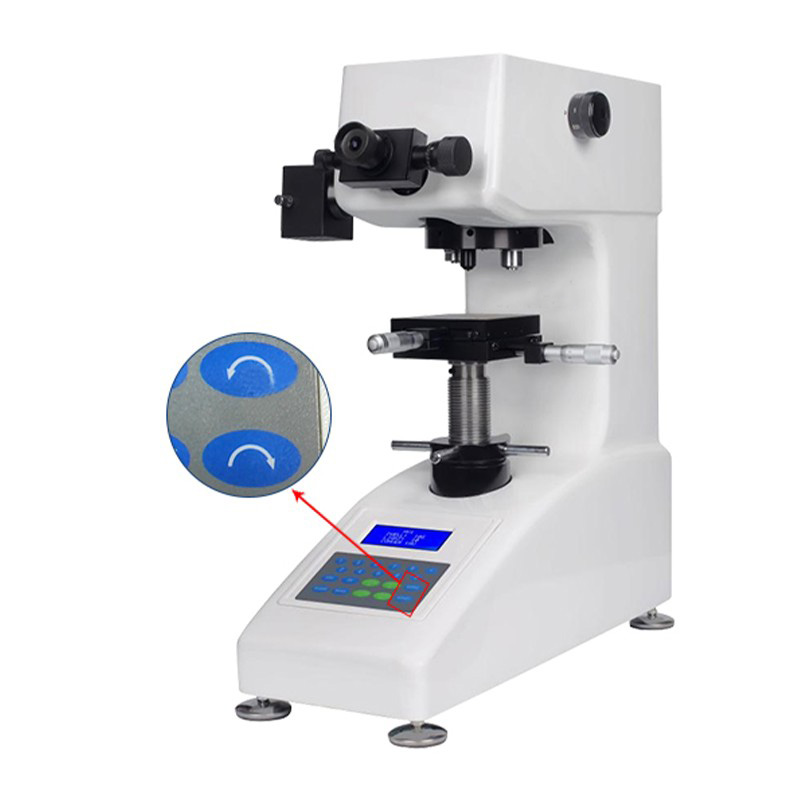
Companies such as Hangzhou Jingjing Testing Instrument Co., Ltd. provide a wide range of Hardness & Tensile Machines, calibrated and compliant with international standards. By combining expert technical support with an extensive product catalogue, the company ensures optimal deployment of testing equipment across the Pearl River Delta, Yangtze River Delta, Central China, East China, and North China regions. This approach guarantees that B2B clients receive both high-precision instruments and end-to-end service support, from pre-sales technical consulting to in-sales training and after-sales maintenance.
Industry Insights and Trends
According to the latest report by the International Committee for Mechanical Testing (ICMT, 2024), automated tensile and hardness testing systems have increased laboratory throughput by up to 35% while reducing human error by 25%. This demonstrates the growing adoption of integrated systems in material quality control.
Source: ICMT 2024 Report on Automation in Material Testing
FAQs
1. What is the importance of calibration for Hardness & Tensile Machines?
Calibration ensures measurement traceability, reduces systematic errors, and guarantees repeatable and reliable testing results.
2. How do industry standards like ASTM E8/E8M-25 affect testing accuracy?
These standards define testing procedures and instrument settings that provide consistent, comparable results across laboratories. ([ndls.org.cn](https://www.ndls.org.cn/resources/info/1982657551759613954?utm_source=chatgpt.com))
3. Can automation reduce operator-induced errors?
Yes. Automated systems standardize sample handling, force application, and data logging, leading to more consistent and accurate results.
4. How does data integration benefit material testing?
Integrated data systems enable secure storage of measurement logs, provide audit trails, and allow analysis that supports quality management systems and certification compliance.
5. Why are ISO/TS 6892-5:2025 standards important for miniaturised specimens?
They provide procedures for tensile testing when material is limited, improving comparability and ensuring valid results. ([ndls.org.cn](https://ndls.org.cn/standard/detail/308da4d14323b7eb9326adc2a2fa1950?utm_source=chatgpt.com))

